Los Angeles Orthopedic

PRP Injections in Los Angeles

Platelet-rich plasma (PRP) uses healing factors from your own blood to repair injured tendons, ligaments, and joints. At LAOSS, our specialists use PRP — alongside physical therapy — for the conditions where the evidence supports it, and tell you honestly when it isn't the right tool.

PRP Injections at LAOSS orthopedic clinic in Los Angeles — board-certified specialists, same-day appointments
Live · Now Accepting

Regenerative care, done honestly.

PRP for the conditions where it works — not for everything.

15+
Years caring
Same-day appointments
Often available
★★★★★
4.9 · 7,500+ reviews

Common reasons we recommend PRP

  • Chronic tendinopathy (tennis elbow, patellar tendinitis, Achilles)
  • Mild-to-moderate knee osteoarthritis
  • Partial tendon or ligament tears
  • Plantar fasciitis that hasn't responded to PT
  • Athletes who can't accept steroid weakening of tissue

What sets LAOSS apart

  • Same- or next-day appointments at eight Los Angeles–area offices
  • Ultrasound-guided injection for precise placement
  • Honest conversation about evidence, cost, and expectations
  • Board-certified specialists, not generalists
Key takeaways
  • PRP concentrates the growth factors in your own blood and delivers them directly to injured tendon, ligament, or joint tissue to stimulate healing.
  • Evidence is strongest for lateral epicondylitis (tennis elbow), patellar tendinopathy, and mild-to-moderate knee osteoarthritis — and weaker for other uses.
  • Most courses are 1–3 injections spaced 4–6 weeks apart, paired with physical therapy. Results build over 6–12 weeks, not days.
  • PRP is usually not covered by insurance. Expect $500–$2,000 per injection depending on the site and whether ultrasound guidance is used.
Overview

What are PRP injections?

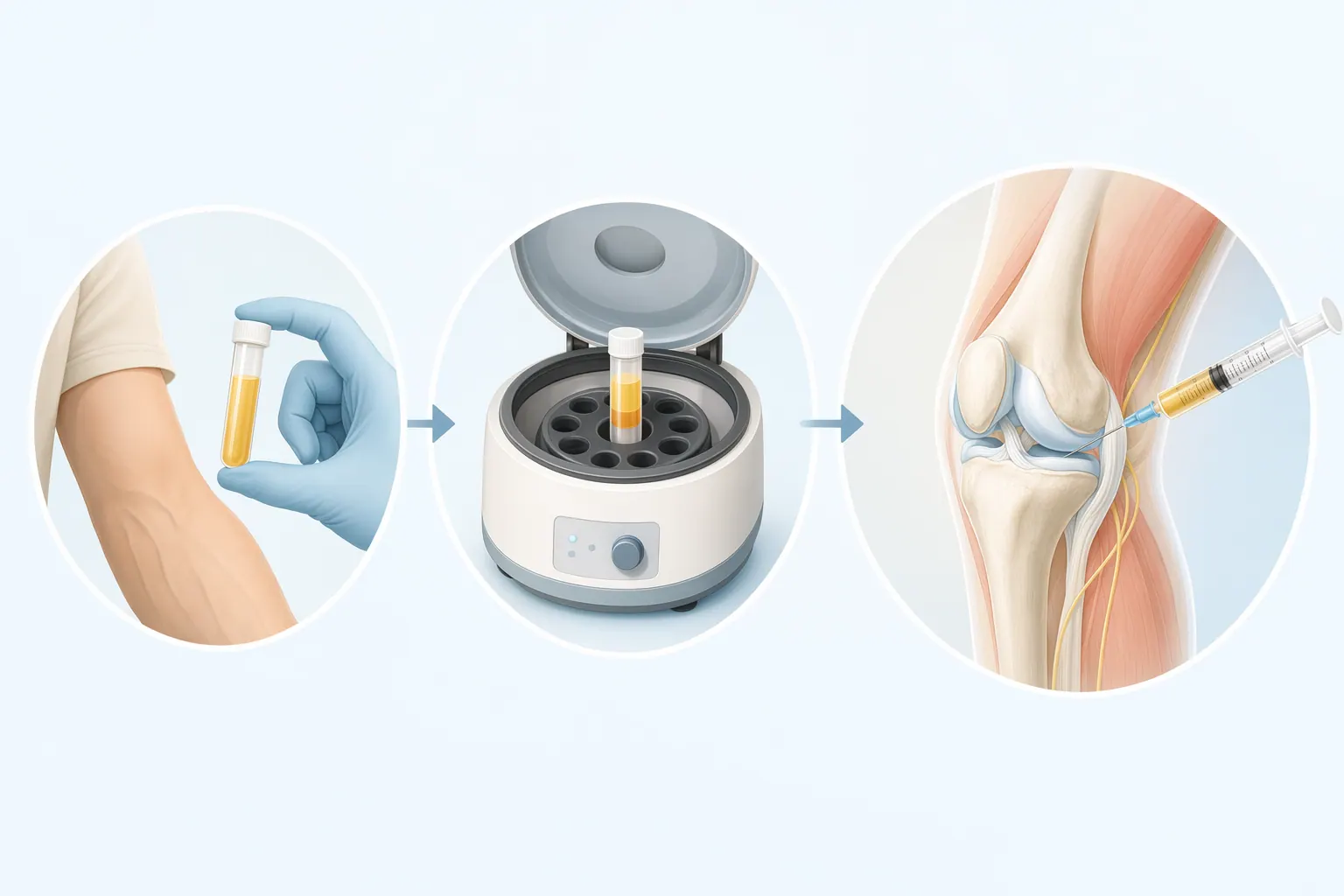
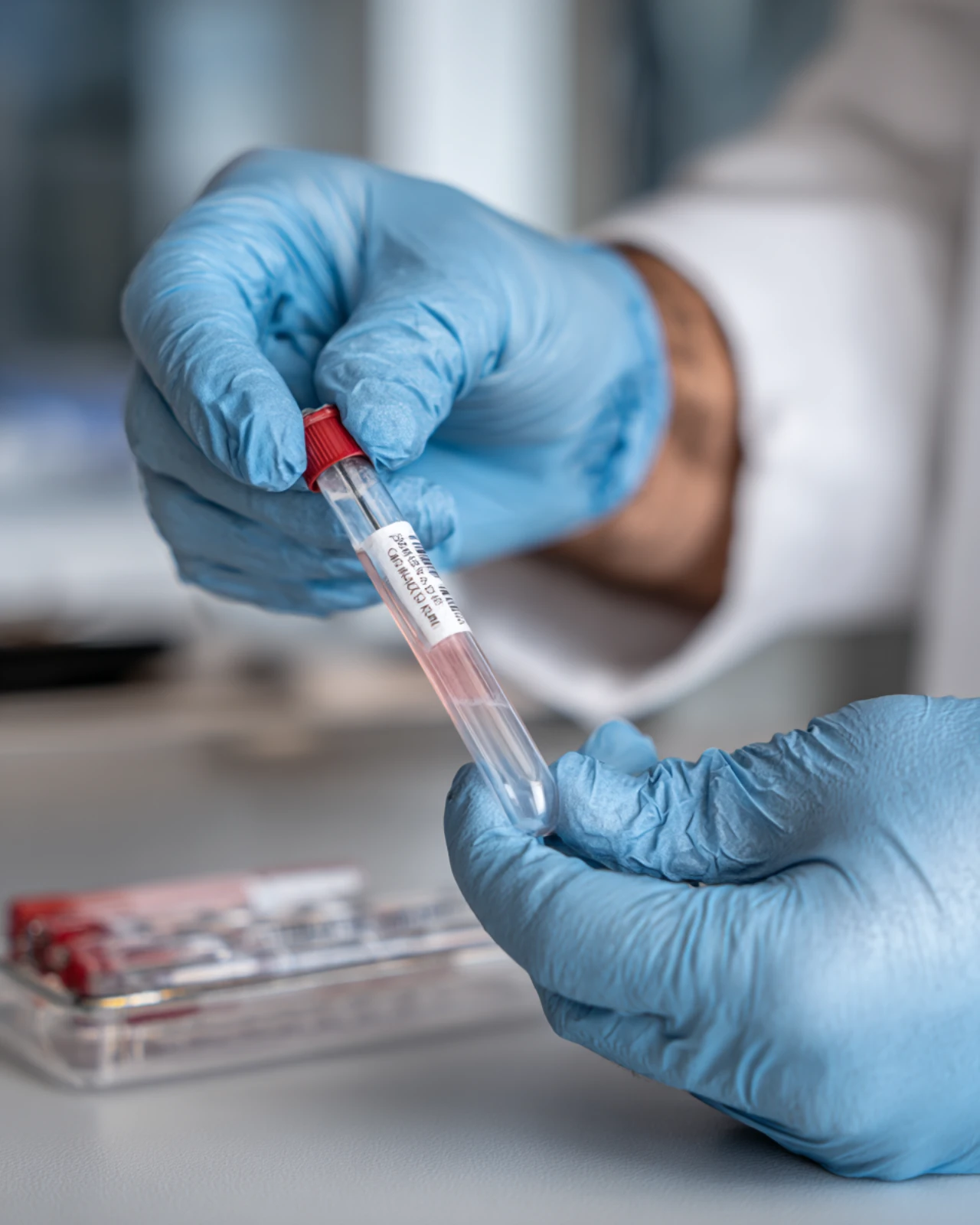
Platelet-rich plasma (PRP) injections use the healing factors from your own blood to accelerate tissue repair. A small blood draw — about the same volume as a routine lab test — is processed in a centrifuge that spins down the sample to concentrate the platelets. Those platelets release growth factors that signal injured tissue to remodel and heal. The resulting plasma is injected, usually under ultrasound guidance, directly into the damaged tendon, ligament, or joint.

At LAOSS we use PRP for the orthopedic problems where the evidence actually supports it: lateral epicondylitis (tennis elbow), patellar tendinopathy, mild-to-moderate knee osteoarthritis, plantar fasciitis, partial rotator cuff tears, and select Achilles tendinopathies. Where the data is thin or mixed, we'll tell you that — and walk you through whether a steroid injection, physical therapy, viscosupplementation, or surgery is a better fit.

A single PRP visit takes about 45 minutes from blood draw to discharge. Most patients return to normal daily activity the same day and resume their full sport or job over the following weeks as the tissue remodels.

Patient education

Watch: PRP Therapy for Plantar Fasciitis

If you have pain in your foot from plantar fasciitis, platelet-rich plasma therapy may help. It uses parts of your own blood to help your body heal itself. PRP can help your foot feel better and work better.

Animations licensed from ViewMedica · Swarm Interactive

Illustration of the PRP process — blood draw, centrifuge separation, and ultrasound-guided injection into injured tissue
From blood draw to injection: the platelet-rich layer is separated, concentrated, and placed directly into the injured tendon or joint.
How PRP works

Concentrated platelets, delivered precisely.

Platelets carry the growth factors your body uses to repair connective tissue. By drawing a small amount of your blood, separating the platelet-rich plasma in a centrifuge, and injecting it under ultrasound guidance, we deliver a concentrated dose of those signals exactly where the tissue is damaged — not diluted through the bloodstream.

Best uses

When we recommend PRP.

Symptoms

Common symptoms

  • Lateral epicondylitis (tennis elbow)
  • Patellar tendinopathy (jumper's knee)
  • Mild-to-moderate knee osteoarthritis
  • Plantar fasciitis that hasn't responded to 3+ months of PT
  • Achilles tendinopathy (mid-substance)
  • Partial rotator cuff tears (not full-thickness)
  • Hamstring or adductor tendinopathy in athletes
  • Gluteal tendinopathy / greater trochanteric pain
Causes

Common causes

  • Chronic overuse tendinopathy that's plateaued with conservative care
  • Patients who want to avoid steroid injections (which can weaken tendon)
  • Mild-moderate joint arthritis where surgery isn't yet appropriate
  • Partial tears where surgery is overkill but PT alone isn't enough
  • Athletes prioritizing tissue healing over short-term pain suppression
What to expect

Your PRP visit, step by step.

PRP is an in-office procedure — no incision, no general anesthesia, and you drive yourself home. Here's what a typical visit looks like at LAOSS:

  1. Pre-visit prep. Stop NSAIDs (ibuprofen, naproxen) for 5–7 days before, since they blunt the inflammatory healing response PRP relies on. Acetaminophen is fine.
  2. Blood draw (5 min). A small sample is drawn from your arm — about the same amount as a routine lab test.
  3. Centrifuge processing (15 min). Your blood is spun to separate the platelet-rich layer from red cells and plasma.
  4. Guided injection (10 min). Under ultrasound guidance, the concentrated PRP is placed precisely into the injured tendon, joint, or ligament. You'll feel pressure and a brief ache.
  5. Recovery (15 min). A short rest, post-procedure instructions, and you're out the door.

Expect the treated area to be sore for 2–4 days — this is the inflammatory response that triggers healing, not a complication. Most patients notice gradual improvement starting around week 4, with full benefit landing between weeks 8 and 12.

Alternatives

Where PRP fits in the treatment ladder.

PRP isn't the first thing we reach for — and it isn't always the right thing. For most tendinopathies and mild arthritis, conservative care comes first. PRP is one of several regenerative or interventional options if conservative care plateaus. Here's how we think about it:

Conservative care
Step 1

Conservative-first approach

We start here for almost everyone — most tendinopathies and mild arthritis improve without injection or surgery when the program is structured and given enough time.

  • Relative rest and activity modification
  • Targeted physical therapy (eccentric loading for tendons)
  • NSAIDs for short-term symptom control
  • Bracing, taping, or orthotics where appropriate
  • Diagnostic ultrasound or MRI if symptoms persist past 6–8 weeks
Surgical care
When needed

Regenerative & interventional options

When conservative care plateaus, we walk you through the choice between PRP, cortisone, viscosupplementation, and surgery — with honest data on what each one does and doesn't do.

  • PRP injection — best for tendinopathy, mild-mod knee OA, partial tears
  • Corticosteroid injection — fast pain relief but can weaken tendon tissue
  • Hyaluronic acid (viscosupplementation) — gel injections for knee OA
  • Cartilage restoration procedures for focal cartilage defects
  • Arthroscopic debridement or repair for structural tears
  • Joint replacement when arthritis is end-stage
Why us

Why technique matters with PRP.

Not all PRP is the same

Outcomes hinge on three things most patients never hear about: platelet concentration, leukocyte content, and whether the needle actually lands in the injured tissue.

  • Leukocyte-rich vs leukocyte-poor PRP chosen for the diagnosis
  • Target platelet concentration appropriate to tendon vs joint
  • Ultrasound guidance on every injection — not blind placement
  • Honest preview of what the evidence supports for your condition

The LAOSS approach

We move stepwise — start with the least-invasive option that fits your situation, and only escalate if the data and your response say it's time.

  • Same-day diagnostic ultrasound at most offices
  • PT coordinated in your insurance network during recovery
  • Board-certified physicians performing the procedure themselves
  • Direct access to your specialist between visits
Candidacy

Am I a candidate for PRP?

If most of these match your situation, an evaluation with a PRP specialist is the next step.

You may be

You may be a candidate if

These signs typically point toward an in-person evaluation to discuss PRP.

  • Tendon, joint, or ligament pain that's lasted 3+ months
  • You've already tried PT, activity modification, and NSAIDs
  • You want to avoid (or postpone) surgery or a steroid injection
  • Imaging shows tendinopathy, partial tear, or mild-moderate arthritis
  • You're generally healthy and not on blood thinners
Evaluation

What evaluation includes

Your first visit is built to give you an answer the same day — including an honest take on whether PRP is the right tool.

  • Detailed history — onset, what makes it better or worse, prior treatments
  • Hands-on exam focused on the affected tendon or joint
  • Diagnostic ultrasound on-site to confirm the target tissue
  • Clear plan including PRP, alternatives, costs, and expected timeline
  • Same-day or next-day scheduling for the procedure if appropriate
ImportantPRP is not appropriate during active infection, for full-thickness tendon tears, advanced (bone-on-bone) arthritis, or in patients with active cancer or platelet disorders. We'll screen for these at your evaluation.
Recovery

Your PRP recovery roadmap.

PRP works on tissue biology, not pharmacology — so the timeline is measured in weeks of remodeling, not hours of pain relief.

01Days 0–7

Right after the injection

Expect soreness at the injection site — this is the inflammatory healing response, not a complication.

  • Relative rest from the inciting activity for 48–72 hours
  • Ice for comfort; avoid NSAIDs for 2 weeks (they blunt healing)
  • Acetaminophen is fine for pain control
  • Normal walking and daily activity from day 1
02Weeks 2–6

Tissue remodeling

Structured physical therapy paired with the injection is where most of the benefit gets locked in.

  • Progressive loading program (eccentric work for tendons)
  • Sport- or job-specific movement re-training
  • Coordinated PT through your in-network provider
  • Many patients notice the first real improvement around week 4
03Weeks 6–12+

Full benefit & decisions

Most of the gain shows up between weeks 6 and 12. We re-evaluate at week 8–12 to decide on next steps.

  • Return to full sport or job by 6–12 weeks for most patients
  • Second injection at 6 weeks if response is partial
  • Up to 3 injections total in a typical course
  • If no meaningful response by 12 weeks, we pivot to alternatives
Risks & considerations

What to weigh before you decide.

PRP is one of the safer interventional options in orthopedics — but no procedure is risk-free, and the cost and uncertainty deserve an honest conversation.

Procedural

Procedural considerations

Because PRP uses your own blood, allergic reaction is essentially nonexistent. The real risks are small but worth discussing.

  • Soreness at the injection site for 2–4 days (expected, not a complication)
  • Bleeding or bruising at the draw or injection site
  • Infection at the injection site (rare with sterile technique)
  • Temporary symptom flare in the first week
Honest

Honest considerations

Evidence for PRP is strong for some uses and mixed for others. Cost and insurance reality matter too — we cover both up front.

  • Not all patients respond — even for well-supported uses, ~20–30% see limited benefit
  • Most insurance does not cover PRP; out-of-pocket typically $500–$2,000 per injection
  • Most courses require 1–3 injections, not a one-and-done
  • PRP can't reverse advanced arthritis or fix a full-thickness tear
Your care team

Meet the PRP specialists at LAOSS.

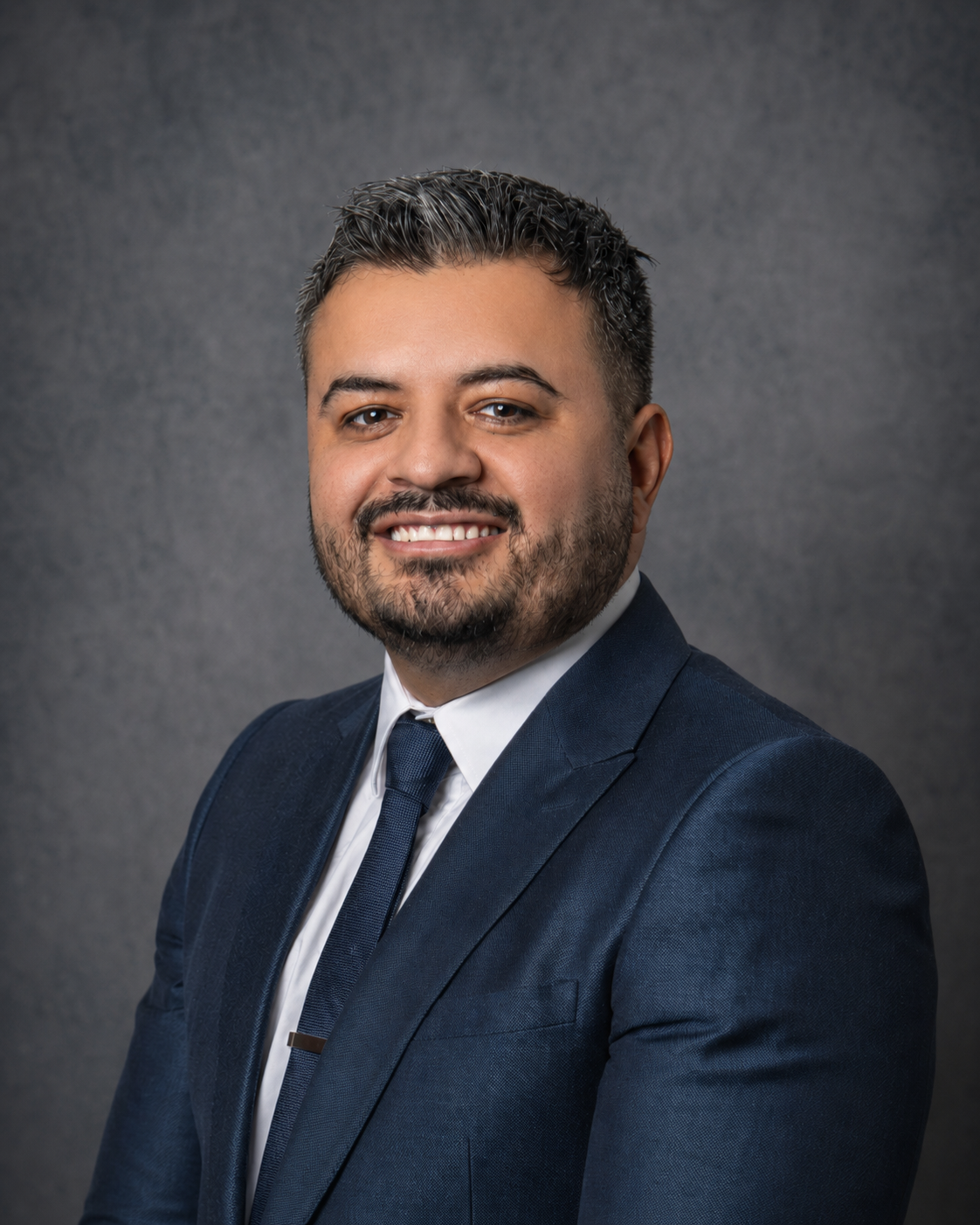
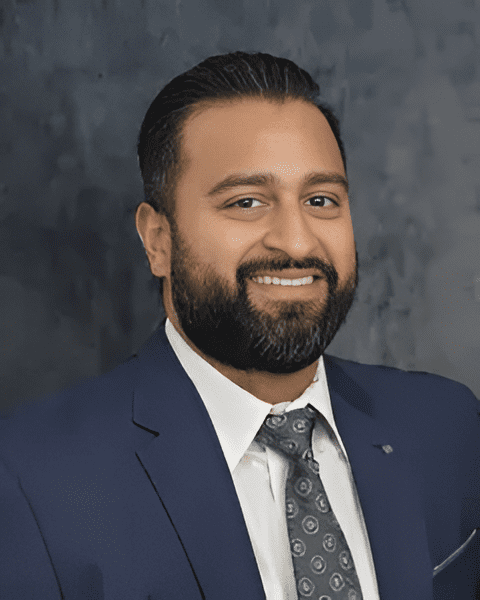
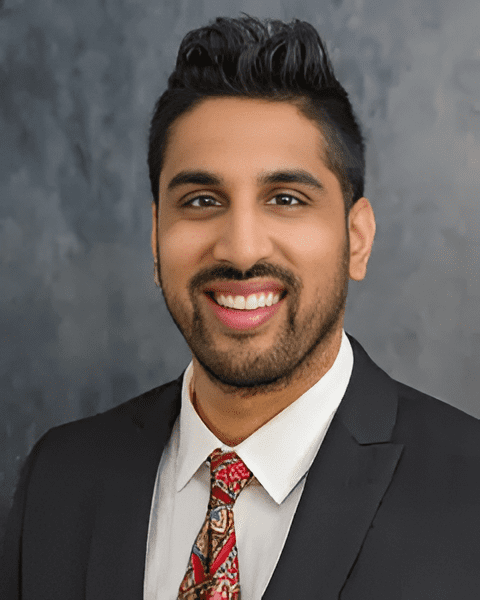
At LAOSS, PRP is performed by board-certified physicians with deep experience in interventional and regenerative orthopedics — not delegated to ancillary staff. From your first ultrasound evaluation through the injection itself and follow-up, the same specialist guides your care, so the person making the diagnostic call is the person doing the procedure.

Patient reviews

What patients say about us.

★★★★★4.97,500+ Google reviews
Dr. Yasmeh did my spine surgery. Recovery was easier than I expected and the team checked in regularly through the whole process.
Anthony Khachatryan
Glendale, CA · 24 January 2025
Explore related care

Find care by body area.

Jump to a nearby condition page and compare treatment paths across the body.

FAQ

Common PRP questions

  • Cortisone reduces inflammation quickly — usually within days — but it doesn't heal the underlying tissue, and repeated steroid exposure can actually weaken tendons over time. PRP delivers growth factors that stimulate the tissue to remodel and heal, so the onset is slower (4–8 weeks) but the goal is structural repair rather than symptom suppression. We use cortisone when fast relief is the priority and PRP when tissue healing is.
  • It depends on the condition. The evidence is strong for lateral epicondylitis (tennis elbow), patellar tendinopathy, and mild-to-moderate knee osteoarthritis. It's reasonably good for plantar fasciitis, Achilles tendinopathy, and partial rotator cuff tears. For other uses — facet joint pain, full-thickness tears, advanced arthritis — the evidence is thin or negative, and we'll tell you that. Even for well-supported uses, about 20–30% of patients see limited benefit.
  • Most patients notice the first meaningful improvement around week 4. Full benefit typically lands between weeks 8 and 12 as the tissue remodels. Expect 2–4 days of soreness right after the injection — that's the inflammatory response PRP is designed to trigger, not a complication.
  • Usually not. Most commercial plans and Medicare consider PRP experimental for most orthopedic indications, so it's typically out-of-pocket. Expect $500–$2,000 per injection depending on the site, whether ultrasound guidance is used, and the processing kit. We give you the exact number before you book — no surprise billing.
  • Often yes. A typical course is 1–3 injections spaced 4–6 weeks apart, paired with physical therapy. We re-evaluate after each injection and only continue if you're responding. If there's no meaningful improvement by 12 weeks after the first injection, we pivot to a different approach rather than chase diminishing returns.
  • PRP works best for chronic tendinopathies — tennis elbow, patellar tendinopathy, Achilles tendinopathy, plantar fasciitis — and for mild-to-moderate knee osteoarthritis. It can also help partial tendon and ligament tears. It is not appropriate for full-thickness tears, end-stage (bone-on-bone) arthritis, active infection, or in patients with platelet disorders or active cancer.
  • Not around the injection. NSAIDs (ibuprofen, naproxen, aspirin) blunt the inflammatory response PRP relies on to start healing, so we ask you to stop them 5–7 days before the injection and avoid them for 2 weeks after. Acetaminophen (Tylenol) is fine throughout.
Ready when you are

Find out if PRP is right for you.

Book an evaluation at any of our eight Los Angeles–area offices. We'll examine the area, image it on-site, and tell you honestly whether PRP is the right tool — or whether a different approach makes more sense.

Booking now
21 specialists · 8 offices
Greater Los Angeles
On-site X-raySame visit
Most insurers acceptedIn-network
Call usBook online