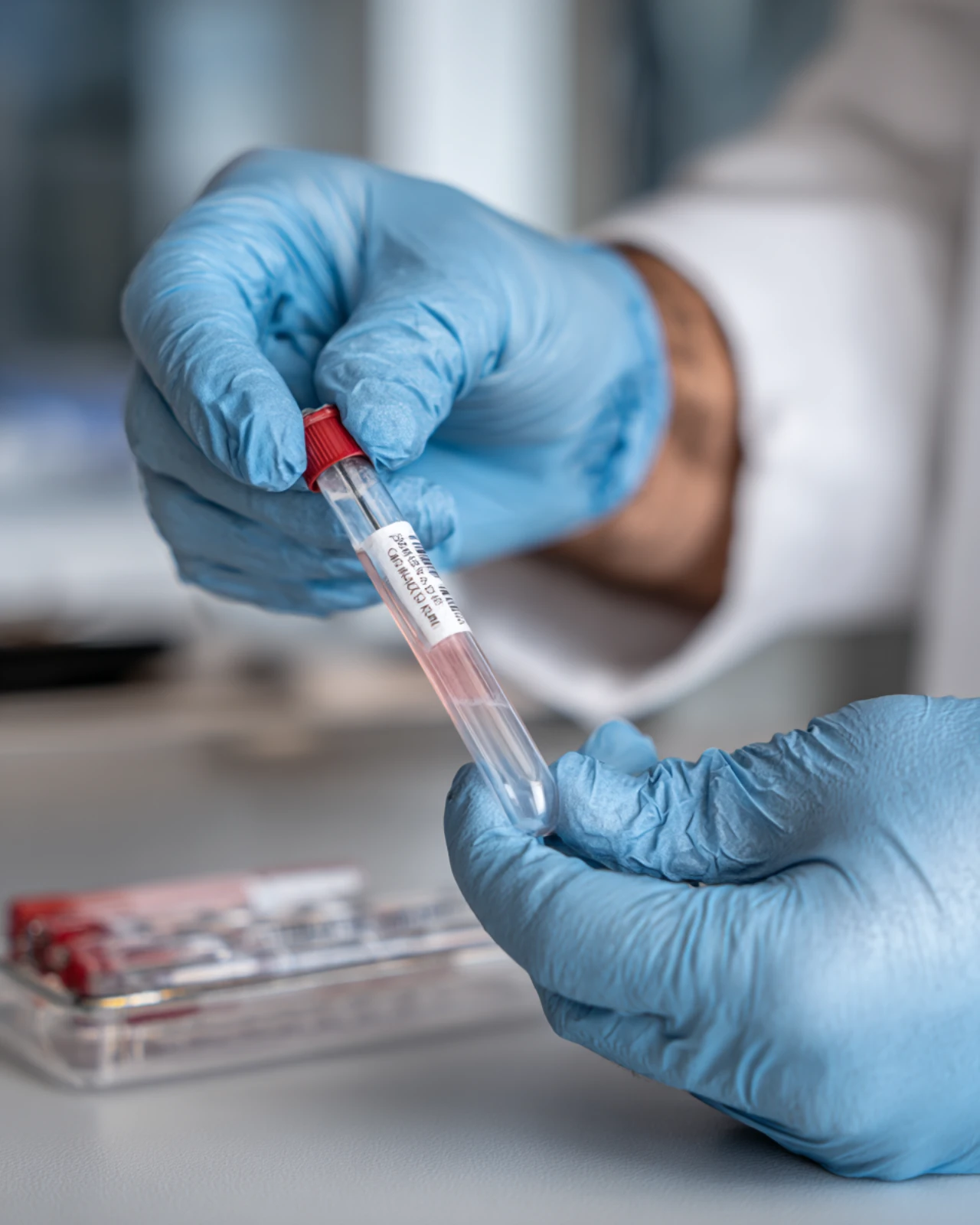
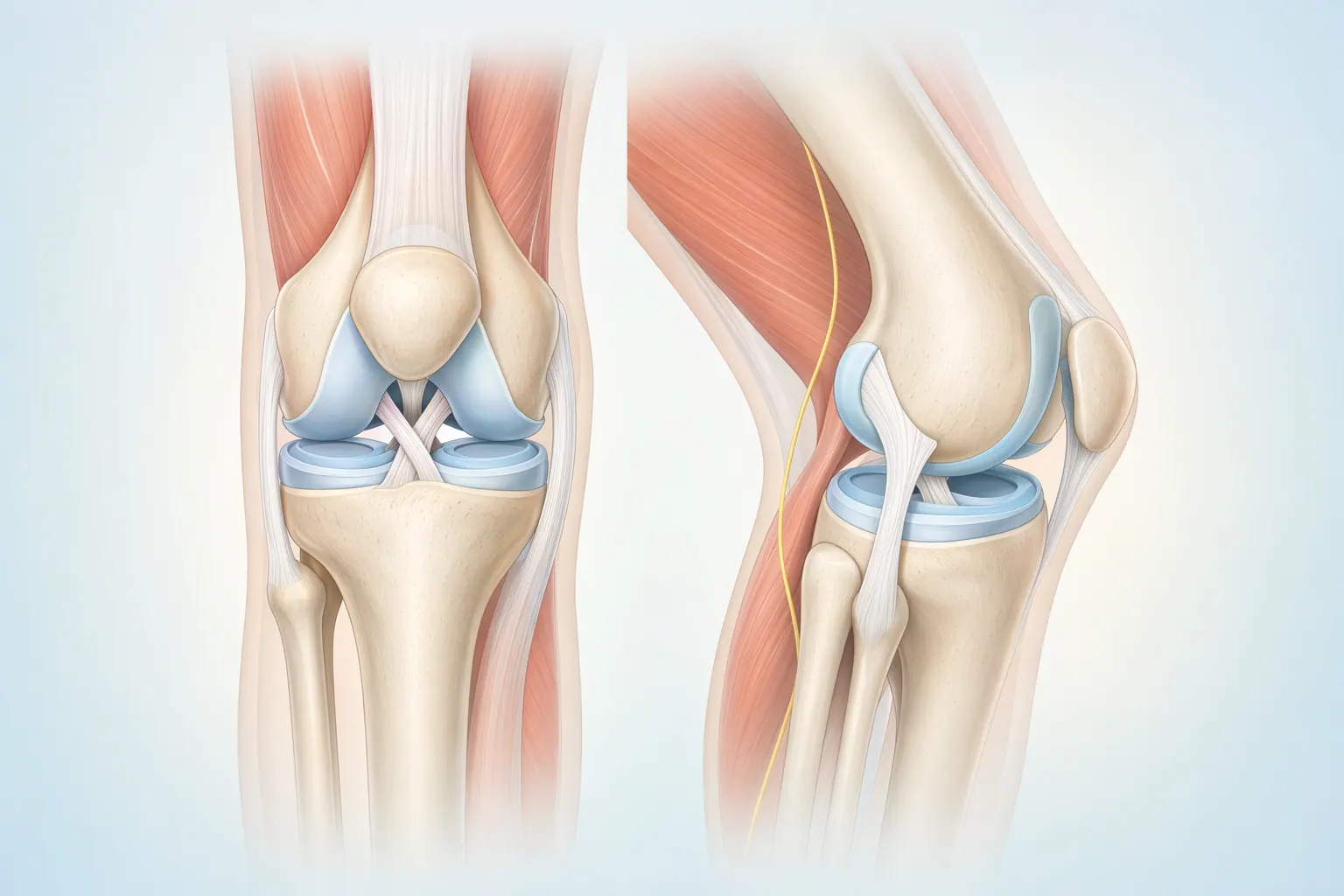
There's no universal answer — but the decision usually breaks down along four axes: diagnosis, evidence, cost, and joint location.
Diagnosis. Both injections are aimed at mild-to-moderate knee osteoarthritis. For end-stage (bone-on-bone) arthritis, neither one reliably changes the trajectory and we'll say so — the conversation shifts to whether you're a candidate for partial or total knee replacement. For early OA with predominantly mechanical/lubrication symptoms — stiffness, grinding, that 'rusty hinge' feeling — HA often fits well. For mild-to-moderate OA with an inflammatory pain component in an active patient, PRP usually has the edge.
Evidence. Multiple head-to-head trials and meta-analyses suggest PRP outperforms HA for pain and function in mild-to-moderate knee OA at 6 and 12 months. The effect size for HA is real but modest. Neither injection is a cure, and roughly 20–30% of patients are non-responders to either one.
Cost. HA is FDA-approved for knee OA and typically covered by commercial insurance and Medicare once you've documented a failed trial of conservative care (PT, NSAIDs, weight management, X-rays consistent with OA). PRP is self-pay — about $500–$1,200 per injection, or roughly $1,500 for a series of three. HSA/FSA dollars are generally eligible.
Joint location. HA is FDA-approved for the knee only. PRP can be considered for many joints and for tendon conditions HA can't touch. If we're talking about a shoulder, hip, ankle, or elbow, this comparison stops being a comparison.