Los Angeles Orthopedic

Spinal Cord Stimulator vs Repeat Spine Surgery for failed back surgery.

When the first back surgery did not fix the pain, the question is not 'should I have more surgery?' It is 'is there anatomy left to fix - and if not, is there a better tool?' Here is how LAOSS pain management physicians and spine surgeon Dr. Siamak Yasmeh decide between a spinal cord stimulator and revision surgery.

Spinal cord stimulator vs revision back surgery comparison at LAOSS - board-certified Los Angeles pain management and spine specialists across eight offices
Live - Now Accepting

Not every failed back is a surgical problem.

Sometimes the answer is a different tool, not a second incision.

15+
Years caring
Same-day appointments
Often available
★★★★★
4.9 - 7,500+ reviews

What patients ask us most

  • If my first surgery did not work, why would a second one?
  • What does a spinal cord stimulator actually feel like?
  • Is the trial really removable if I do not like it?
  • Does insurance cover the stimulator implant?
  • Can I have an MRI after I get a stimulator?

What sets LAOSS apart

  • Pain management and spine surgery under one roof - no turf wars
  • Imaging and diagnostic injections to find out if there is anatomy left to fix
  • Mandatory 7-day SCS trial before any implant - no exceptions
  • Honest framing - not every 'failed back' patient is a surgical candidate
Key takeaways
  • Failed back surgery syndrome (post-laminectomy syndrome) is the persistence of significant back or leg pain after one or more spine surgeries. It is common - somewhere between 10 and 40 percent of spine surgery patients in published series.
  • Spinal cord stimulator (SCS) is an implanted device that delivers electrical impulses to the dorsal spinal cord, blocking or reshaping the pain signal. Roughly 60-70 percent of well-selected patients get more than 50 percent pain relief at one year.
  • Revision spine surgery makes sense when there is a fixable mechanical problem - hardware failure, recurrent disc herniation at the same level, pseudarthrosis (non-union), or adjacent-segment disease. Success rates run roughly 30-40 percent, well below first-time surgery.
  • SCS is insurance-covered - but only with documentation of conservative care failure, a psychiatric clearance evaluation, and a successful 7-day percutaneous trial before the permanent implant.
  • The honest split: if your imaging shows correctable anatomy that explains your pain, revision can work. If your pain is diffuse neuropathic leg or back pain with no clear surgical target, SCS is usually the better answer.
Overview

Failed back surgery: two very different tools.

Post-laminectomy syndrome (also called failed back surgery syndrome, or FBSS) is one of the hardest problems in spine care. The patient has already been through surgery - sometimes more than one - and the pain has not gone away. Sometimes it is back. Sometimes it is leg. Sometimes both. The instinct is often to operate again. That instinct is sometimes right and sometimes very wrong.

Revision spine surgery is the right answer when imaging and exam point to a specific, correctable mechanical problem - a screw that loosened, a fusion that did not heal, a disc that re-herniated at the same level, an adjacent segment that has now broken down. In those cases, fixing the anatomy can fix the pain. The catch is that scar tissue from the first surgery makes the second one harder - the planes are blurred, the dura is adherent, the nerve roots are tethered. Neurological risk goes up. Success rates run somewhere around 30-40 percent in published series - well below the 70-80 percent range you would expect from a first-time, well-indicated spine operation.

Spinal cord stimulation (SCS) is a fundamentally different tool. It is an implanted device - thin leads placed in the epidural space over the dorsal spinal cord, connected to a small pulse generator under the skin - that delivers programmed electrical impulses to the nerve fibers carrying pain signals. The pain does not get fixed; it gets modulated. The signal that was reaching your brain as chronic burning, electric, or aching leg pain gets reshaped before it arrives. Roughly 60-70 percent of properly selected patients get more than 50 percent pain relief at one year, and benefit is durable for many.

The LAOSS approach: imaging and diagnostic work to find out whether your pain is anatomically correctable or neuropathically diffuse - and route the answer accordingly. Not every failed back is a surgical problem.

Patient education

Watch: How spinal cord stimulation works

Spinal cord stimulators have been around for decades, but the technology has changed dramatically. This short ViewMedica animation walks through where the leads sit, how the pulse generator delivers therapy, and what the trial week actually feels like.

Animations licensed from ViewMedica · Swarm Interactive

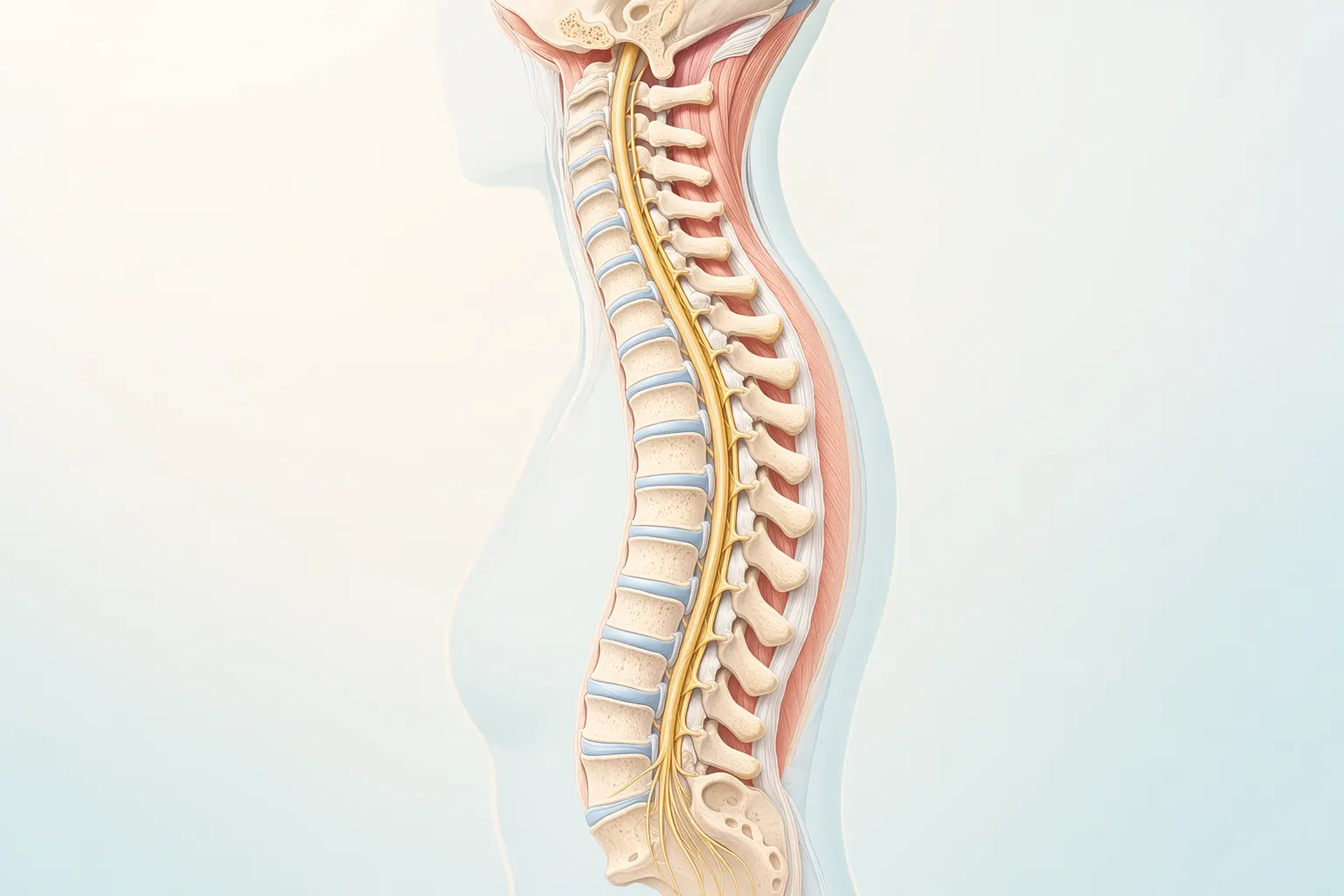
Lumbar spine cross-section showing the epidural space where spinal cord stimulator leads are placed and the prior laminectomy site that can develop scar tissue
Revision surgery works on the anatomy. SCS works on the signal. Two completely different leverage points on the same problem.
How each works

What is actually happening at the spinal cord.

After a prior spine surgery, the anatomy is altered. Bone has been removed, hardware may be in place, and a layer of fibrotic scar tissue (epidural fibrosis) often surrounds the dura and nerve roots. Revision surgery means re-entering that scarred field to address a specific mechanical problem - hardware revision, fusion at a new level, removal of recurrent disc material. The exposure is harder, the dura is more vulnerable, and the nerve roots are tethered. A spinal cord stimulator works without disturbing any of that. Thin leads are placed in the epidural space above the cord through small needle insertions, connected to a battery-sized generator under the skin. Electrical impulses modulate the pain signal traveling up the dorsal columns - the pain does not get cut out, it gets reshaped before it reaches the brain.

When each option makes sense

Picking the right tool for the pain.

Symptoms

Common symptoms

  • Hardware failure (loose screws, broken rod) on imaging - revision
  • Recurrent disc herniation at the same level with matching radiculopathy - revision
  • Pseudarthrosis (non-union of a prior fusion) confirmed on CT - revision
  • Adjacent-segment disease with new stenosis above or below a fusion - revision
  • Diffuse neuropathic leg pain with no clear surgical target on MRI - SCS
  • Burning, electric, or stocking-distribution leg pain after laminectomy - SCS
  • Persistent back and leg pain after two or more prior fusions - SCS
  • CRPS (complex regional pain syndrome) in a lower extremity - SCS
Causes

Common causes

  • Imaging shows correctable mechanical problem that explains the pain - revision is on the table
  • Imaging is unremarkable or shows only post-surgical changes - SCS is usually better
  • Pain is mechanical (worse with loading, position-dependent) - revision more likely fits
  • Pain is neuropathic (burning, electric, constant) - SCS more likely fits
  • Patient has already had 2+ spine surgeries - revision odds drop sharply
Decision framework

How we choose at LAOSS.

The decision usually breaks down along four axes: anatomy, pain character, surgical history, and what we can prove.

Anatomy. Does your MRI, CT, or flexion-extension X-ray show a specific problem that explains your pain? A pseudarthrosis on thin-cut CT, a recurrent disc at L4-L5 matching an L5 radiculopathy on exam, hardware that has loosened, adjacent-segment stenosis above a prior fusion - these are mechanical problems with mechanical solutions. If the imaging is clean except for expected post-op changes, there is no anatomy to fix. Operating on pain without a target is how you end up with three failed back surgeries instead of one.

Pain character. Mechanical pain - worse with loading, position-dependent, relieved by lying down, reproducible on exam - often points back to anatomy. Neuropathic pain - burning, electric, stocking-distribution, constant, unaffected by position - is the SCS sweet spot. Many post-laminectomy patients have a mix; we map which component is dominant before we pick a tool.

Surgical history. First-time spine surgery has the best odds. Revision after one prior surgery has lower but real odds. Revision after two or more prior surgeries has very low odds and high risk. The more times the field has been opened, the harder the next operation is and the lower the chance of helping. A patient with three prior spine surgeries asking for a fourth is almost never the right answer.

What we can prove. Diagnostic injections - selective nerve root blocks, facet blocks, sacroiliac joint blocks - let us localize the pain generator before we commit to any procedure. If a transforaminal block at L5 gives 80 percent relief that matches the pain pattern, that is data. If the same block gives nothing, the L5 nerve root is not the answer and revision aimed at it will not help either.

Treatment paths

Revision-first vs SCS-first.

Most failed back patients are not a coin flip - once imaging, exam, and diagnostic injections are in front of us, one path is usually clearly the better starting point.

Conservative care
Step 1

SCS-first path

When there is no clear surgical target, when pain is neuropathic, or when prior surgeries have already shown diminishing returns - SCS leads.

  • Diffuse leg or back pain with no clear mechanical correlate on imaging
  • Burning, electric, or stocking-distribution neuropathic pain
  • Two or more prior failed spine surgeries
  • CRPS, painful diabetic neuropathy, or persistent radiculopathy
  • Patient who has exhausted conservative care including epidurals, RFA, PT, and medications
  • Priority on a reversible, removable tool with a trial period before commitment
Surgical care
When needed

Revision-first path

When imaging shows a specific, correctable mechanical problem that matches the exam and diagnostic injections - revision leads.

  • Hardware failure (loose pedicle screws, broken rods, cage migration)
  • Pseudarthrosis (non-union) on CT with positional or load-dependent pain
  • Recurrent disc herniation at the same level with matching radiculopathy
  • Adjacent-segment disease above or below a prior fusion
  • Inadequate decompression at the original surgery confirmed on MRI
  • Postsurgical instability requiring extension of fusion construct
The trial

The 7-day SCS trial - try before you implant.

Spinal cord stimulation is the only major chronic pain therapy with a built-in test drive. Before any permanent implant, you wear the system externally for about a week and decide whether it actually helps your pain in your real life.

Trial

What the trial looks like

The trial is an in-office procedure under sedation and local anesthetic. Thin leads are placed in the epidural space through needles - no incision, no implant.

  • 30-60 minute outpatient procedure under sedation
  • Leads placed under fluoroscopic guidance, no incision
  • External battery clipped to your belt for 5-7 days
  • You go home the same day and live your normal life
  • Programming adjusted in clinic during the trial
  • Leads pulled out in clinic at the end of the week - no surgery to remove
Threshold

What counts as a successful trial

We do not advance to permanent implant unless the trial clears a clear bar - and that bar is the patient's lived experience, not just a pain score.

  • Greater than 50 percent reduction in target pain during trial
  • Improvement in function (sleep, walking, work, sitting tolerance)
  • Reduction in pain medication use during the trial week
  • Patient subjectively wants to proceed with permanent implant
  • No infection or lead migration during the trial
  • If the trial fails, the leads are removed and you owe nothing for an implant
Roughly 70-80 percent of trials are successful enough to proceed to implant. If yours is not, that is useful information - you have not lost anything except a week, and you have ruled out an expensive, invasive permanent device.
Cost & coverage

What each one actually costs.

Both options are typically covered by commercial insurance and Medicare - but the documentation requirements and out-of-pocket exposure are different.

Covered

Spinal cord stimulator - covered with documentation

SCS is a covered service under commercial insurance and Medicare for FBSS and chronic radicular pain - but coverage requires a documented work-up and a successful trial.

  • Documentation of failed conservative care (PT, epidurals, medications)
  • Psychiatric or psychological clearance evaluation typically required
  • Successful 7-day percutaneous trial before permanent implant approval
  • Trial cost is covered separately - usually a copay or coinsurance line
  • Permanent implant performed as an outpatient surgical day procedure
  • Out-of-pocket varies by plan - typically deductible plus coinsurance for both trial and implant
Covered

Revision spine surgery - covered when indicated

Revision spine surgery is covered under commercial plans and Medicare when imaging and exam document a specific mechanical problem. The carrier wants to see that the indication is mechanical, not just persistent pain.

  • Imaging documenting hardware failure, pseudarthrosis, recurrent disc, or adjacent-segment disease
  • Often requires repeat conservative care attempts (PT, injections) for non-acute cases
  • Pre-operative clearance and benefits verification handled by our team
  • Inpatient stay typically 2-5 nights depending on construct
  • Out-of-pocket varies - typically deductible, coinsurance, and inpatient copays
  • Some carriers require step-therapy or peer-to-peer review before authorization
Success rates

What the data actually says.

We will not oversell either tool. Here is the honest read on the FBSS literature - the numbers are sobering, which is why selection matters so much.

SCS

SCS - moderate but durable for the right patient

Modern SCS systems (high-frequency, burst, and traditional tonic) have stronger published data for FBSS than revision surgery does. The catch is that selection - including a successful trial - is what drives the numbers.

  • 60-70 percent of trial-successful patients get >50 percent pain relief at 1 year
  • Benefit is durable for many - sustained improvement reported at 5-year follow-up
  • Stronger evidence for radicular (leg) pain than for pure axial (back) pain
  • High-frequency (10 kHz) and burst waveforms have better axial back results than older tonic
  • Multiple randomized trials show SCS outperforms reoperation for FBSS leg pain
Revision

Revision surgery - lower success than first-time

Revision spine surgery success rates run well below first-time spine surgery. The data is consistent across published series and is one of the strongest arguments for considering SCS first in the right patient.

  • Roughly 30-40 percent of revision spine surgeries achieve significant pain relief at 1-2 years
  • Success drops further with each additional prior surgery
  • Better results when imaging shows a specific, correctable target
  • Worse results when revision is performed on a 'pain without clear target' indication
  • Scar tissue, altered anatomy, and dural adherence raise complication risk over first-time surgery
Multiple randomized controlled trials (notably the PROCESS trial and subsequent studies) have shown that for FBSS patients with predominant leg pain, spinal cord stimulation outperforms reoperation at 6 months and beyond - both in pain reduction and in patient satisfaction. The data is not subtle.
Candidacy

Which one fits me?

These checklists are a starting point - the final call comes at evaluation with imaging, exam, and diagnostic injection data in front of us.

SCS

You are an SCS candidate if

SCS is most often the right move when conservative care is exhausted, pain is neuropathic or diffuse, and there is no clear surgical target left.

  • Six months or more of persistent post-surgical back or leg pain
  • Predominantly neuropathic pain (burning, electric, stocking-distribution)
  • No clear correctable mechanical target on current imaging
  • Failed conservative care including PT, epidurals, RFA, and medications
  • Able to pass psychiatric clearance evaluation
  • Willing to undergo a 7-day percutaneous trial first
Revision

You are a revision candidate if

Revision surgery makes sense when imaging shows a specific, fixable mechanical problem and the pain matches the anatomy.

  • Hardware failure on imaging (loose screws, broken rod, cage migration)
  • Recurrent disc herniation at same level with matching exam and imaging
  • Pseudarthrosis (non-union) confirmed on thin-cut CT
  • Adjacent-segment stenosis or instability above or below prior fusion
  • Pain pattern matches the proposed surgical target
  • Diagnostic injection at the target level provides meaningful relief
ImportantPatients who already have two or more prior spine surgeries should think very hard before agreeing to a third. The odds of a third surgery helping are low, the risks of nerve injury and durotomy go up with every revision, and an SCS trial is reversible. We will tell you straight if we think revision is not the right answer - even if you came in asking for it.
Recovery

What each recovery looks like.

Recovery timelines diverge sharply. The SCS path is measured in weeks. The revision surgery path is measured in months.

01SCS trial - Days 0-7

Outpatient, no incision, no commitment

The trial is the lowest-risk week in spine pain medicine. You leave the office with leads taped to your back and a battery on your belt and go live your life.

  • Drive home the same day with a family member or rideshare
  • Avoid showering and aggressive bending for the trial week
  • Daily journal of pain, function, and medication use
  • Programming adjustments via app or in-clinic visit
  • Leads pulled out in clinic on day 5-7, no surgery to remove
02SCS implant - Weeks 0-6

Outpatient surgical day, gradual ramp

If the trial works, the permanent implant is a same-day outpatient surgery. Generator goes under the skin (usually upper buttock or flank), leads are anchored.

  • Outpatient surgical procedure - home the same day
  • Light activity only for 2-4 weeks while leads scar in
  • No twisting, heavy lifting, or arm-over-head reaching for 4-6 weeks
  • Programming refinement over the first 4-8 weeks
  • Return to most normal activity by 6 weeks
03Revision surgery - Months 0-6

Inpatient stay, longer ramp

Revision fusion or decompression is a real spine operation. Recovery is measured in months, not weeks, and the curve is steeper than first-time surgery because of scar tissue and altered anatomy.

  • Hospital stay typically 2-5 nights depending on construct
  • Walking day 1-2 with PT, ramping over weeks
  • Driving typically at 4-6 weeks (off narcotics)
  • Return to sedentary work: 6-12 weeks
  • Fusion solidifies on imaging: 6-9 months
Why both can coexist

When SCS and revision are not mutually exclusive.

Most failed back patients are not facing a permanent fork in the road. Both tools can stay on the table.

A common pattern at LAOSS: a patient with hardware failure on imaging and an obvious mechanical pain pattern goes to revision surgery first - the loose screws come out, the pseudarthrosis gets re-fused, the mechanical pain resolves. Months later, if a residual neuropathic component remains - that burning, electric leg pain that never quite went away - SCS can be layered on top. The revision fixed the mechanics; the stimulator handles the residual nerve pain.

The opposite is also true. A patient who tries SCS first and gets a 70 percent reduction in leg pain but still has a clearly mechanical adjacent-segment problem on later imaging is not stuck with the stimulator. The leads and generator stay in place and continue to do their job; revision surgery can still be performed at the mechanical level if the indication develops down the road. SCS does not foreclose surgery, and surgery does not foreclose SCS.

What is not appropriate is using either tool as a default. Operating on a failed-back patient with no clear anatomic target and expecting it to work is the path to a third failed back surgery. Implanting a stimulator in a patient who actually has a screw backing out and a discoverable mechanical pain generator is treating the symptom and ignoring the cause. The honest answer is the work-up that tells us which one your case actually is.

Risks & considerations

Side-by-side risk profile.

Both options are real procedures with real risks. Risk profiles diverge sharply - SCS is a small-footprint device procedure, revision is major spine surgery.

SCS

SCS considerations

Spinal cord stimulator risks are mostly device-related and most are manageable. The biggest catch is response variability - even with a successful trial, real-world results can fade.

  • Lead migration - the most common complication, may require revision
  • Infection at the generator pocket or lead site (1-3 percent)
  • Hardware failure of leads or generator over the life of the device
  • Allergic or local reaction to the implanted hardware (rare)
  • Some older systems are not MRI-conditional - newer systems mostly are
  • Battery replacement every 7-10 years for non-rechargeable systems
Revision

Revision surgery considerations

Revision spine surgery carries the risk profile of major spine surgery, with extra risk on top from scar tissue, altered anatomy, and prior hardware.

  • Higher dural tear (cerebrospinal fluid leak) rate than first-time surgery
  • Higher nerve root injury risk due to scar tissue and tethering
  • Blood loss and transfusion risk higher than first-time fusion
  • Hardware infection, pseudarthrosis at the new fusion site, adjacent-segment disease
  • Worse functional outcomes with each additional revision
  • DVT, pulmonary embolism, anesthesia complications inherent to inpatient surgery
Your care team

Meet the LAOSS failed-back team.

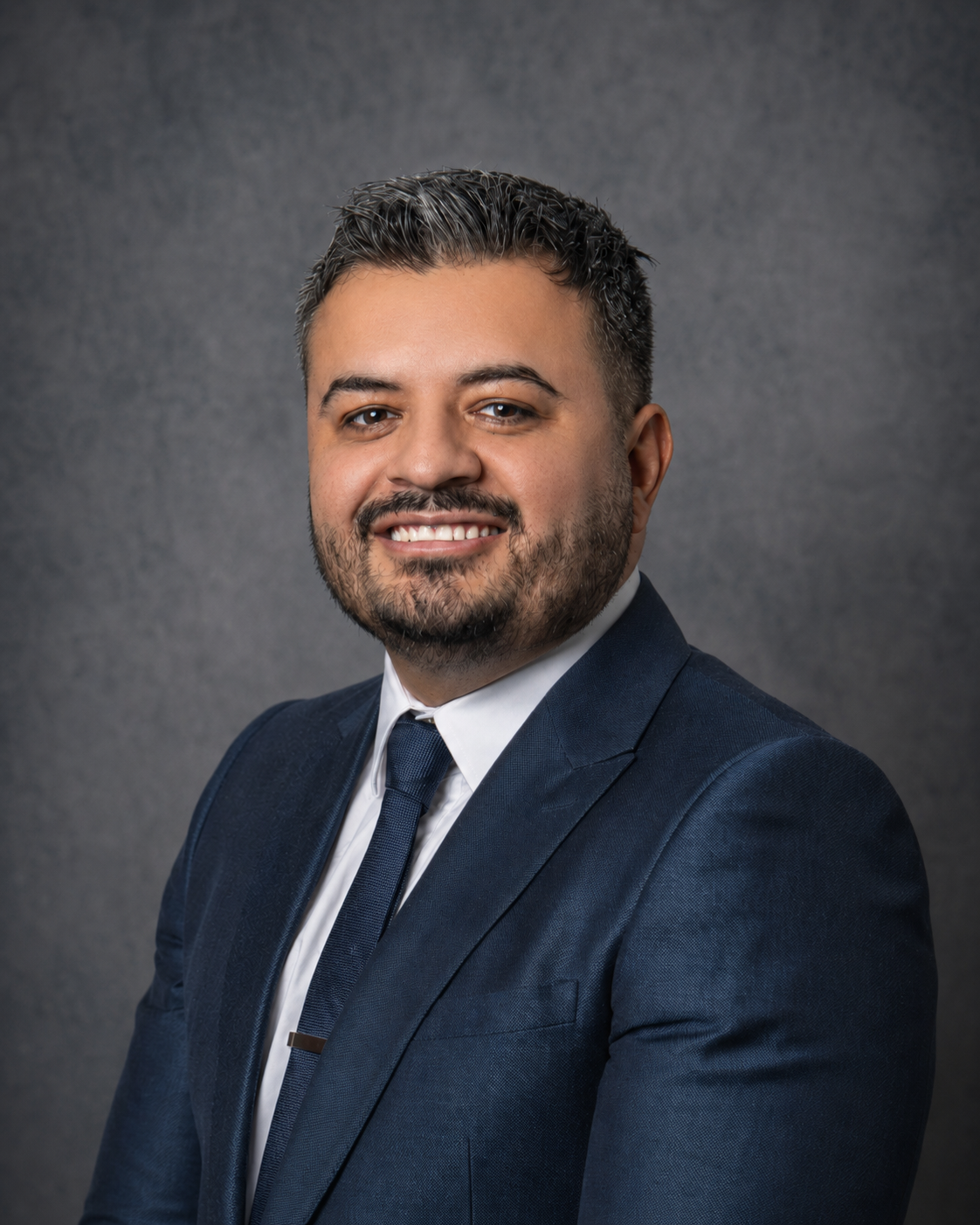
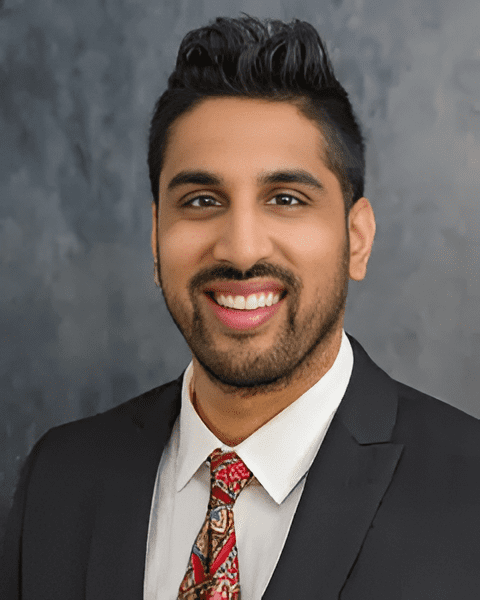
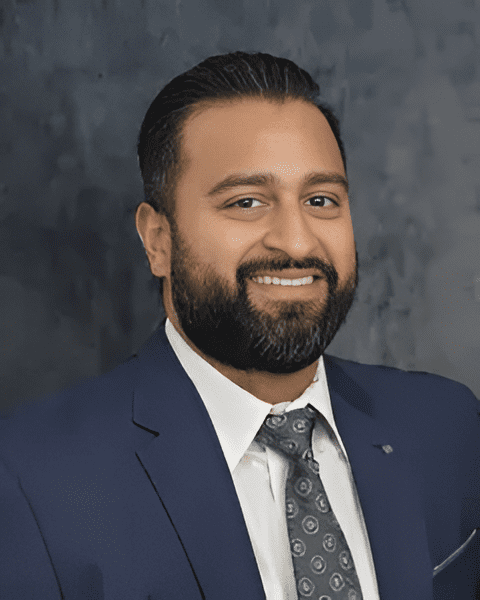
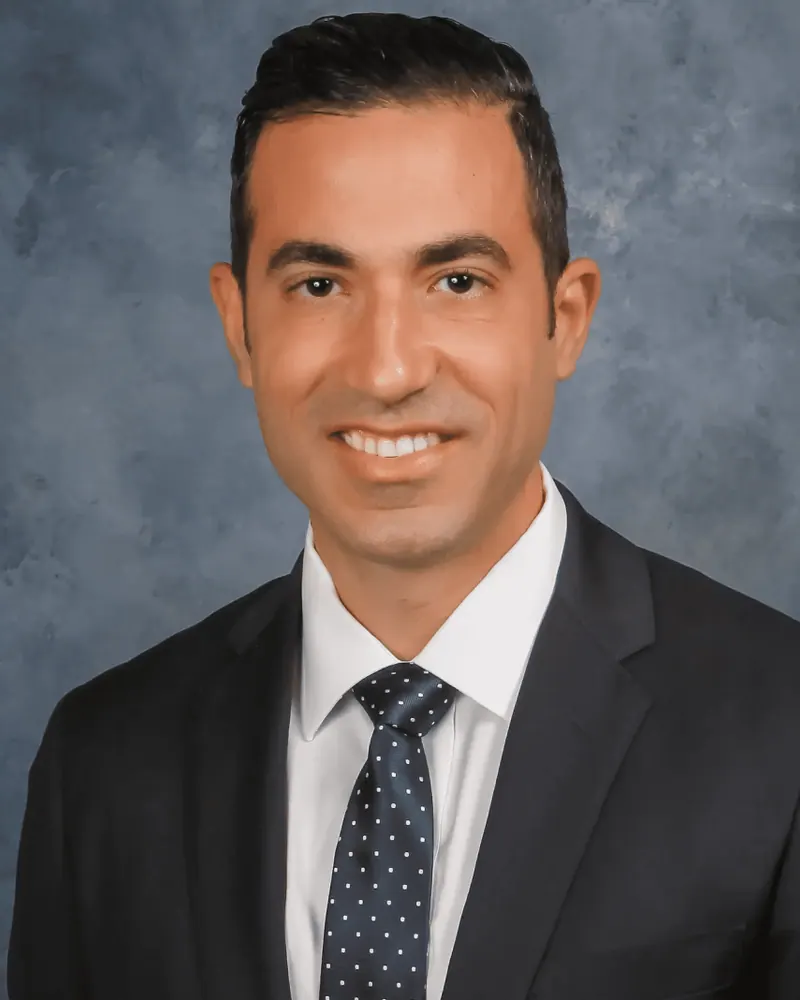
Failed back syndrome is one of the only orthopedic problems that genuinely requires both a pain management physician and a spine surgeon at the same table. At LAOSS, that conversation is built into how we work. Spinal cord stimulator trials and permanent implants are performed by our board-certified pain management physicians - Dr. Jose Antonio Acosta, Dr. Jason Kaushik, and Dr. Raj Desai - all of whom carry interventional pain training that includes SCS programming, lead placement, and long-term device management. Revision spine surgery is performed by Dr. Siamak Yasmeh, our fellowship-trained orthopedic spine surgeon. The pre-op work-up - imaging review, diagnostic injections, exam findings - is reviewed by both sides before we recommend a path. The person managing your pain talks directly to the person who would operate. No turf war, no false binary, no rushed answer.

Specialists

Meet your failed-back specialists.

4 providers
Patient reviews

What patients say about us.

★★★★★4.97,500+ Google reviews
Dr. Acosta saved me from spine surgery. I came in convinced I was going to need an operation. He laid out a non-surgical plan that's been working. So thankful.
Karina Petrosyan
Tarzana, CA - 5 December 2024
Explore related care

Find care by body area.

Failed back syndrome is one piece of a larger orthopedic program - jump to the area that's bothering you.

FAQ

Spinal cord stimulator vs repeat surgery - common questions

  • Only when imaging and exam show a specific, fixable mechanical problem that explains your pain - hardware failure, recurrent disc at the same level, pseudarthrosis (non-union), or new adjacent-segment disease. In those cases, revision can address an anatomic problem that the first surgery either did not solve or that developed afterward. If the imaging is clean except for expected post-op changes and the pain is diffuse or neuropathic, a second surgery has roughly 30-40 percent success rates and rising complication risk from scar tissue. In that scenario, SCS is almost always the better next step. The honest answer at LAOSS depends on what your imaging actually shows, not on how badly the pain demands action.
  • Older traditional (tonic) stimulators produced a tingling sensation called paresthesia in the area where you used to feel pain - some patients liked it, some found it distracting. Modern high-frequency (10 kHz) and burst waveform stimulators are typically paresthesia-free - you feel less pain without feeling the device working. During the trial week you will try one or more programming settings to find what fits your pain pattern. The generator itself, after permanent implant, is about the size of a small pocket watch under the skin - you can feel it if you press on it, but it should not interfere with daily life, sleep, or clothing.
  • Yes - that is the entire point. The trial is performed without any surgical implant. Thin leads are placed in the epidural space through needles, with the external battery clipped to your belt. At the end of the trial week (or sooner if you have already decided), you come back to clinic and the leads are pulled out by hand, no anesthesia, no surgery. If you decide SCS is not for you, the trial ends and you owe nothing for a permanent device. The trial is the lowest-risk way to test a major chronic pain therapy in modern medicine - we wish more therapies had a trial period this honest.
  • Almost always, yes - but only with documentation. Commercial insurance and Medicare cover SCS for FBSS and chronic radiculopathy when the file shows: failed conservative care (PT, medications, epidurals or other injections), a psychiatric clearance evaluation confirming you are an appropriate candidate, and a successful 7-day percutaneous trial with greater than 50 percent pain reduction. Our team handles the prior authorization paperwork, the psychiatric referral, and the trial documentation. Out-of-pocket varies by plan - typically your deductible plus coinsurance applies to both the trial and the permanent implant, with the trial billed as an outpatient procedure and the permanent implant as a surgical day.
  • With modern systems, yes - in most cases. Almost all stimulator implants placed in the last 5-7 years are MRI-conditional, meaning you can safely have an MRI with specific protocols and field-strength limits. The device representative often coordinates with the imaging center to confirm the protocol before the scan. Some older systems and certain lead configurations remain MRI-incompatible. We will document your device model and MRI conditionality at implant so you and any future provider have the information. If MRI access is critical for you (for example, if you have a cancer history that requires regular imaging), we will choose a system that supports it.
  • Two reasons. First, untreated depression, anxiety, or unrealistic expectations about pain relief are among the strongest predictors of poor SCS outcomes - addressing them up front improves real-world results. Second, both Medicare and commercial insurance require documented psychological clearance as part of the SCS authorization pathway. The evaluation is typically a single visit with a behavioral health clinician who screens for catastrophizing, untreated mood disorder, and goal alignment. It is not a hurdle designed to disqualify you - it is a tool to make sure SCS is going to do what you are hoping it will, and our team coordinates the referral and follow-up.
  • Yes, and many patients eventually do, though usually not at the same time. A common pattern is revision surgery first for a clear mechanical problem (loose hardware, pseudarthrosis, recurrent disc) followed months later by SCS for a residual neuropathic component that never fully resolves. The opposite also works - SCS can be placed in a patient who later develops a clear mechanical indication for surgery without removing the stimulator. The two tools are not mutually exclusive. What we do not recommend is layering both as defaults without clear indications for each.
  • Then revision surgery odds are very low and the risks - dural tear, nerve injury, hardware-related complications - rise meaningfully with each additional operation. Multiple prior surgeries is one of the strongest indications for moving to SCS rather than reoperating, unless imaging shows a clear new mechanical problem with high confidence. We will tell you straight if we think a third or fourth spine surgery is unlikely to help, even if you came in asking for one. That conversation is hard but it is the most honest answer we can give in that situation.
  • It depends on the system. Non-rechargeable (primary cell) generators typically last 5-10 years depending on programming and use, after which the generator is replaced in a brief outpatient procedure. Rechargeable systems can last 10-15+ years before the generator itself needs replacement - you recharge them transcutaneously (through the skin) using a charger that sits over the implant site, typically for a few hours every 1-2 weeks. We will walk through which system fits your lifestyle - rechargeable means more upkeep but fewer replacement surgeries over time.
  • At your LAOSS visit we work through four things: (1) imaging review and exam - is there a clear, fixable mechanical target, or is the picture diffuse? (2) pain character - mechanical and position-dependent vs neuropathic and constant? (3) surgical history - how many prior surgeries have you had, and what did each one address? (4) what diagnostic injections tell us - does a targeted block at the proposed surgical level meaningfully reduce your pain? The answer is rarely a snap call. Often it involves coming back for a diagnostic injection or repeat imaging before we commit to a path. We do not push surgery you do not need, and we do not push SCS for patients who have a clear surgical answer in front of them.
Ready when you are

Get an honest answer on which one fits.

Book a visit at any of our eight Los Angeles-area offices. Our pain management physicians and spine surgeon will review your imaging together and tell you straight whether SCS, revision surgery, or something else entirely is the right next step.

Booking now
21 specialists · 8 offices
Greater Los Angeles
On-site X-raySame visit
Most insurers acceptedIn-network
Call usBook online