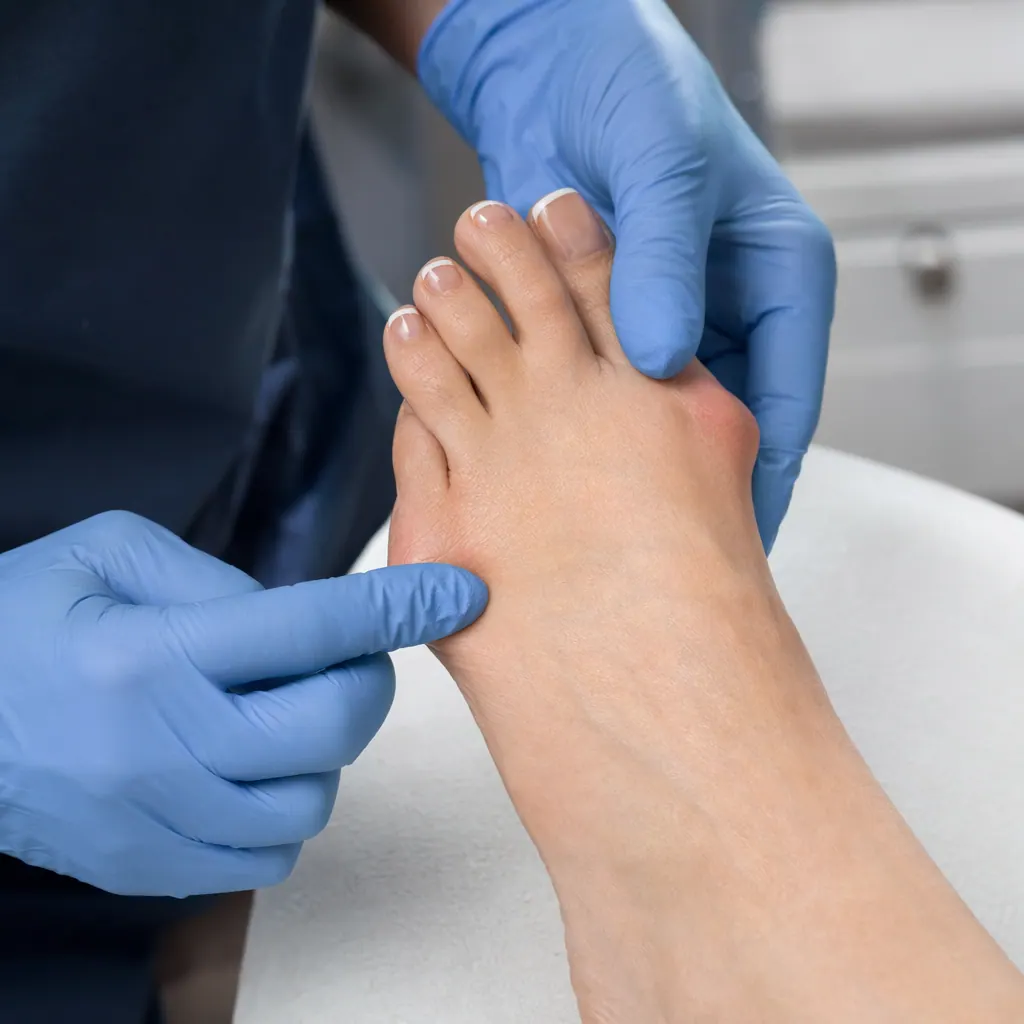
If you've been told you need bunion surgery, you've almost certainly heard the word Lapiplasty. It's a marketed-by-name procedure with strong patient-facing storytelling. That doesn't mean it's the right operation for every bunion — and the doctors who tell you it is are doing you a disservice.
Here's the framework we use at LAOSS.
Traditional bunionectomy is shorthand for a family of osteotomy procedures — Chevron, Akin, Scarf, and Mitchell are the most common. These surgeries make a precise cut in the first metatarsal bone, then shift the head of the bone over to narrow the foot and straighten the toe. They've been performed for decades, the technique is highly refined, and they get most patients back on their foot in a protective shoe within 1–2 weeks. The known weakness is recurrence: because osteotomy reshapes the bone without addressing the instability at the first tarsometatarsal (TMT) joint that drives many bunions, published recurrence rates run anywhere from 30% to as high as 70% over 10+ years, depending on the technique, the severity, and the patient.
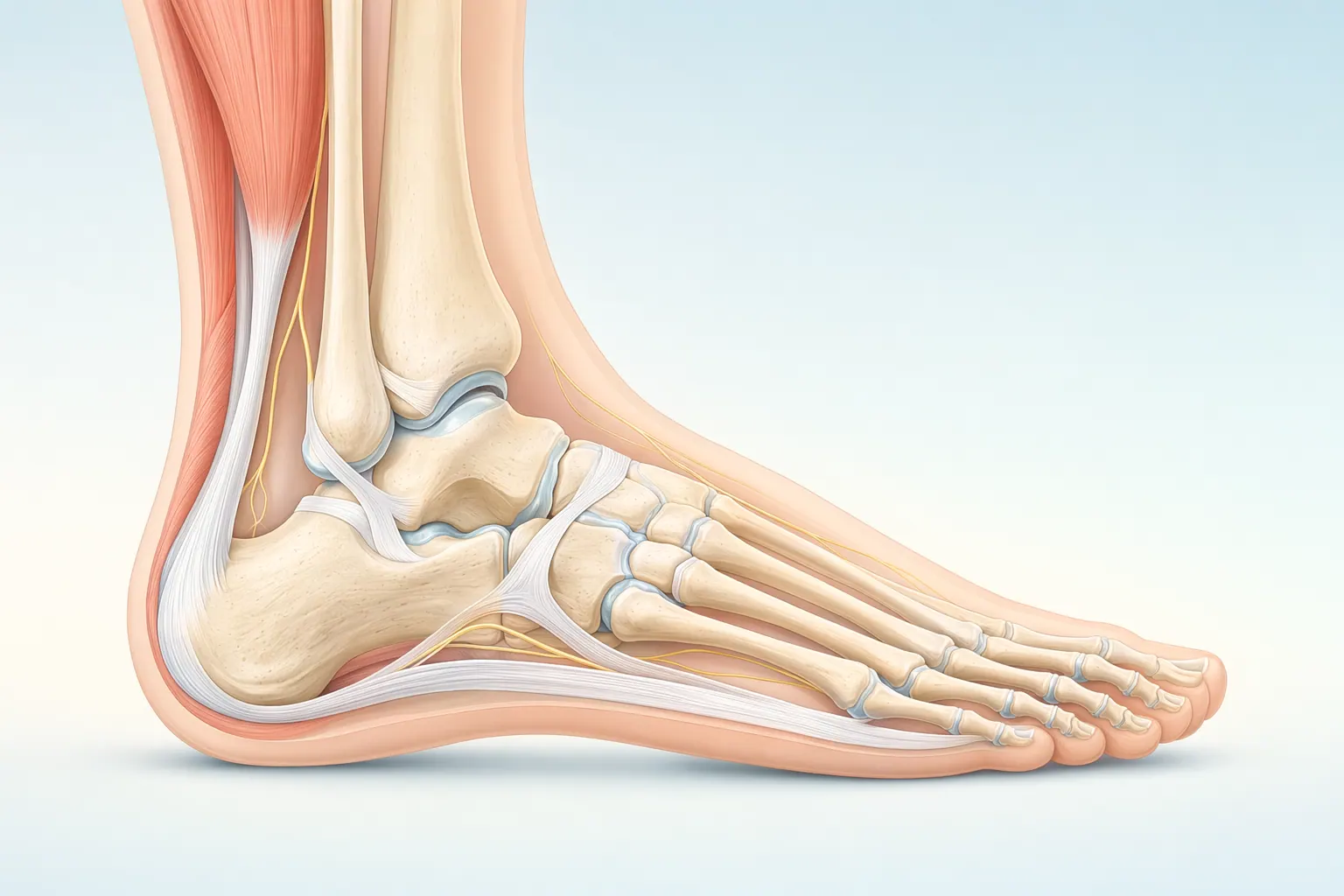
Lapiplasty 3D Bunion Correction takes a different approach. Rather than cutting the metatarsal in the middle of the bone, Lapiplasty fuses the unstable first TMT joint at the base using proprietary cutting guides and titanium plates. Critically, it corrects the deformity in three planes — including the rotation of the metatarsal that older two-dimensional corrections leave behind. Published recurrence rates are under 10%. The trade-off is upfront recovery: classic protocols kept patients non-weight-bearing for about six weeks. Newer immediate-weight-bearing Lapidus protocols (which most of our team uses where appropriate) shorten that to weight-bearing in a boot within 1–2 weeks, closing much of the gap.
Neither operation is universally "better." The right call depends on your deformity severity, TMT joint stability on weight-bearing X-ray, activity level, and how much downtime you can absorb — and that conversation is what your evaluation is for.