Los Angeles Orthopedic
Diagnostic testing

EMG & Nerve Conduction Study nerve testing

Electromyography (EMG) and nerve conduction studies (NCS) measure how well the muscles and nerves of the body are working — used to confirm pinched nerves, carpal tunnel, and other nerve disorders. Same-day or next-week evaluations across eight LA-area offices.

EMG & Nerve Conduction Study at LAOSS orthopedic clinic in Los Angeles — board-certified specialists, same-day appointments
Live · Now Accepting

EMG & Nerve Conduction Study

Conservative-first care, surgery only when it's the right call.

15+
Years caring
Next available
This week
★★★★★
4.9 · 7,500+
Key takeaways
  • EMG & Nerve Conduction Study is part of the full diagnostic and treatment toolkit our LAOSS specialists use every day.
  • Electromyography (EMG) and nerve conduction studies (NCS) measure how well the muscles and nerves of the body are working — used to confirm pinched nerves, carpal tunnel, and other nerve disorders.
  • Most patients improve when treatment starts early and is matched to the actual diagnosis.
  • Same-day appointments available across eight Los Angeles–area offices.
Overview

About emg & nerve conduction study

EMG & Nerve Conduction Study is part of the comprehensive orthopedic care we offer at LAOSS. Below, we walk through the anatomy involved, who benefits from this service, what it looks like at our clinics, and the recovery and risk considerations to weigh.

Our specialists move stepwise — start with the least-invasive option that fits, escalate only when it doesn't.

Patient education

Watch: Electromyography (EMG)

This is a test of your muscles and nerves. It usually has two parts. One is a nerve conduction study. This measures how well electricity moves through your nerves. The second part is a needle electromyogram. It records the electrical signals your muscles make when you move them. The results can help your doctor find problems linked to certain disorders or conditions.

Animations licensed from ViewMedica · Swarm Interactive
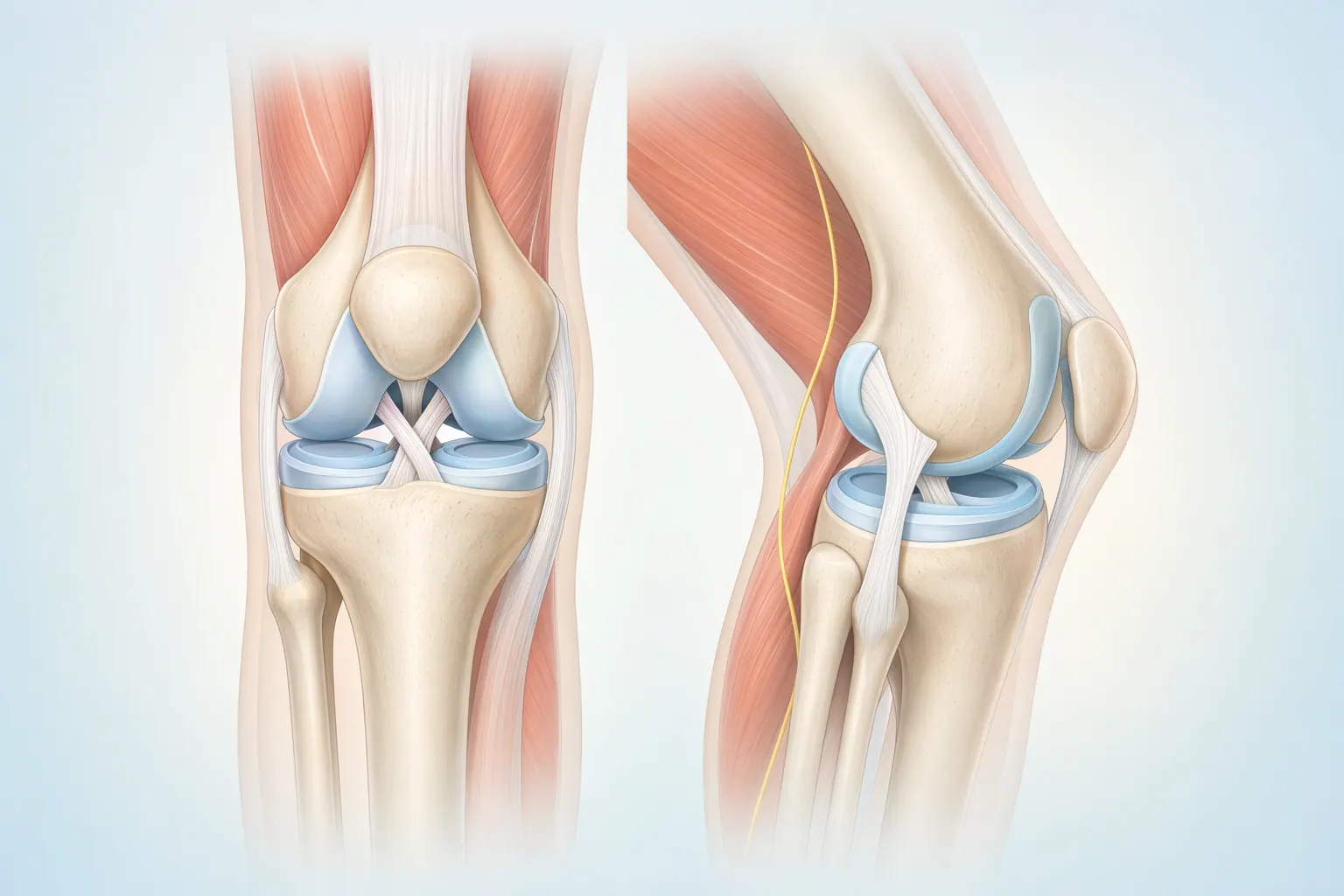
Anatomical illustration of a joint showing cartilage, ligaments, and surrounding muscle
General orthopedic anatomy — joints, ligaments, tendons, and muscle.
Anatomy

Inside the orthopedic.

Most musculoskeletal pain comes down to one of four tissues: bone, cartilage, ligament/tendon, or muscle. The right care starts with the right diagnosis.

What this service covers

What we offer with emg & nerve conduction study.

Symptoms

Common symptoms

  • Comprehensive orthopedic evaluation
  • Same-day imaging at most offices
  • Conservative-first care plan tailored to your goals
  • Coordinated specialty referrals when needed
  • In-network insurance for most major carriers
Causes

Common causes

  • New patients exploring an orthopedic complaint
  • Existing LAOSS patients continuing care
  • Patients seeking a second opinion
  • Athletes and active adults of every age
How LAOSS care works

How we start treatment

When you book with LAOSS for emg & nerve conduction study, here's the flow:

  • Initial visit — detailed history, focused exam, on-site X-ray when needed
  • Diagnosis & plan — most patients leave with imaging-confirmed answers and a written treatment plan
  • Treatment — whether that's PT, an injection, or surgery, your specialist stays involved at every step
  • Follow-up — measured benchmarks, direct line to your care team, plan adjustments as recovery progresses
Treatment options

Orthopedic care, conservative-first.

We start with the least-invasive option that fits — and escalate only when it doesn't.

Conservative care
Step 1

Conservative care first

Non-surgical options designed to relieve pain, restore movement, and avoid the OR when possible.

  • Physical therapy & focused strengthening
  • Image-guided steroid injections
  • Activity & ergonomic modification
  • NSAIDs & topical anti-inflammatories
  • PRP & regenerative therapies
Surgical care
When needed

Surgical options when needed

Minimally invasive and reconstructive procedures performed by board-certified orthopedic surgeons.

  • Arthroscopy when minimally invasive surgery fits
  • Tendon / ligament reconstruction or repair
  • Fracture fixation
  • Joint replacement when arthritis is advanced
  • Pain procedures for chronic conditions
Surgeon expertise

Why experience matters.

Why experience matters

Orthopedic care is highly technique-dependent. Volume, training, and judgment together determine the outcome you feel six months later.

  • Precise diagnosis from imaging and exam
  • Conservative-first care that avoids unnecessary surgery
  • Technique refined over thousands of cases
  • On-site imaging + coordinated PT through your in-network provider

The LAOSS approach

Our orthopedic specialists move stepwise — start with the least-invasive option that fits, escalate only when it doesn't.

  • Same-day imaging at most offices
  • PT coordinated in your insurance network
  • Board-certified specialists performing the procedures themselves
  • Direct access to your specialist between visits
Candidacy

Am I a candidate?

If most of these match your situation, an evaluation with a orthopedic specialist is the next step.

You may be

You may be a candidate if

These signs typically point toward this service being a good fit.

  • Orthopedic pain or dysfunction lasting more than a few days
  • Swelling, instability, or noticeable change in function
  • Symptoms that limit walking, lifting, sleep, or work
  • Previous treatment that didn't fully resolve the problem
  • Imaging or exam findings that suggest an underlying issue
Evaluation

What evaluation includes

Your first visit is built to give you an answer the same day, not just another referral.

  • Detailed history — onset, mechanism, what makes it better or worse
  • Hands-on exam focused on the affected joint or region
  • On-site imaging at most offices (X-ray, ultrasound)
  • Clear plan with options ranging from conservative to surgical
  • Same-day or next-day scheduling for any follow-up tests
ImportantSeek urgent evaluation for sudden severe pain, numbness, progressive weakness, loss of bowel or bladder control, or any sign of infection (fever, increasing redness or swelling).
Recovery

Your orthopedic recovery roadmap.

Recovery is rarely a straight line — but a clear plan with measurable milestones makes the path predictable.

01Days 0–14

Right after care

In the first two weeks we focus on protecting the orthopedic, calming inflammation, and restoring basic motion.

  • Activity modification with clear do/don't guidance
  • Ice, elevation, and pain control as needed
  • Gentle range-of-motion within safe limits
  • Follow-up scheduled to track healing
02Weeks 2–8

Rehabilitation

Targeted physical therapy rebuilds strength, mobility, and confidence in the orthopedic.

  • Progressive strengthening and neuromuscular work
  • Manual therapy and soft-tissue treatment
  • Sport- or job-specific movement re-training
  • Coordinated PT through your in-network provider
03Months 2+

Long-term care

Once function is restored, the focus shifts to keeping you there — and catching any recurrence early.

  • Return-to-activity plan with measured benchmarks
  • Home program tailored to your sport or job
  • Maintenance visits or imaging if symptoms change
  • Direct line back to your specialist if needed
Risks & considerations

What to weigh before you decide.

We talk through the risks and benefits with every patient — informed consent is a conversation, not a form.

General

General considerations

Every orthopedic intervention carries a small set of standard risks. We screen, prepare, and monitor for these on every patient.

  • Infection (rare with modern technique and prophylaxis)
  • Bleeding or bruising at the treatment site
  • Reaction to anesthesia or medications
  • Need for additional procedures in some cases
Specific

Orthopedic-specific considerations

Some risks are tied to the structures we're treating in the orthopedic. We discuss these in detail at your visit so you can weigh them against the benefits.

  • Temporary stiffness or weakness during recovery
  • Incomplete pain relief in a small percentage of cases
  • Nerve or vessel irritation near the treatment area
  • Need for follow-up therapy to fully restore function
Your care team

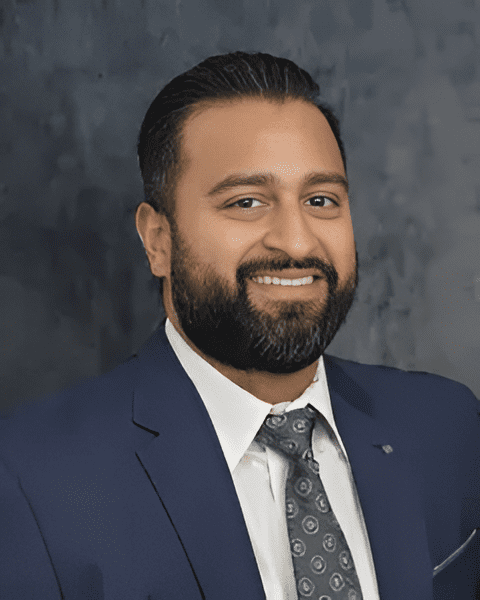
Meet our orthopedic specialists

At LAOSS, our orthopedic specialists combine advanced surgical expertise with a patient-first approach. From minimally invasive techniques to comprehensive rehab coordination, our physicians bring decades of experience to every case. Trusted across Los Angeles, our team is dedicated to restoring mobility, relieving pain, and helping you return to the activities you love.

About this care

Reliable emg & nerve conduction study care starts here

At LAOSS, expert care is close to home. With same- or next-day appointments at eight Los Angeles–area offices, you'll never wait weeks or months for answers. Whether you need physical therapy, injections, or surgery, you'll receive coordinated, personalized care every step of the way.

Call or schedule online today to begin your recovery with a trusted orthopedic specialist in Los Angeles.

Patient reviews

What patients say about us.

★★★★★4.97,500+ Google reviews
Dr. Yasmeh is incredible. I'd been dealing with back pain for years and he was the first doctor to actually look at the imaging with me and explain what was going on. Wish I'd found him sooner.
Carlos Rivera
Santa Fe Springs, CA · 18 November 2024
Explore related care

Find care by body area.

Jump to a nearby condition page and compare treatment paths across the body.

Common questions

FAQ.

  • The right candidate depends on your diagnosis, prior treatments, and goals. We start with a focused orthopedic exam and review your imaging — and your specialist explains whether emg & nerve conduction study is the best next step or whether a different approach makes more sense.
  • We accept most major PPO and HMO plans. Coverage depends on your specific plan and diagnosis — our team verifies coverage before scheduling so there are no surprises. Self-pay pricing is available for patients without insurance.
  • Same-day appointments are available for acute injuries. Routine evaluations are typically within the week at any of our eight LA-area offices.
  • If you have a PPO plan, no referral is needed — book directly with any of our specialists. HMO plans require a referral from your PCP. If you are unsure, call us at (323) 264-7600 and our team will walk you through it.
Ready when you are

Find out if emg & nerve conduction study is right for you.

Same-day and next-day appointments at eight Los Angeles–area offices. Book a visit and meet your specialist.
Booking now
21 specialists · 8 offices
Greater Los Angeles
On-site X-raySame visit
Most insurers acceptedIn-network
Call usBook online