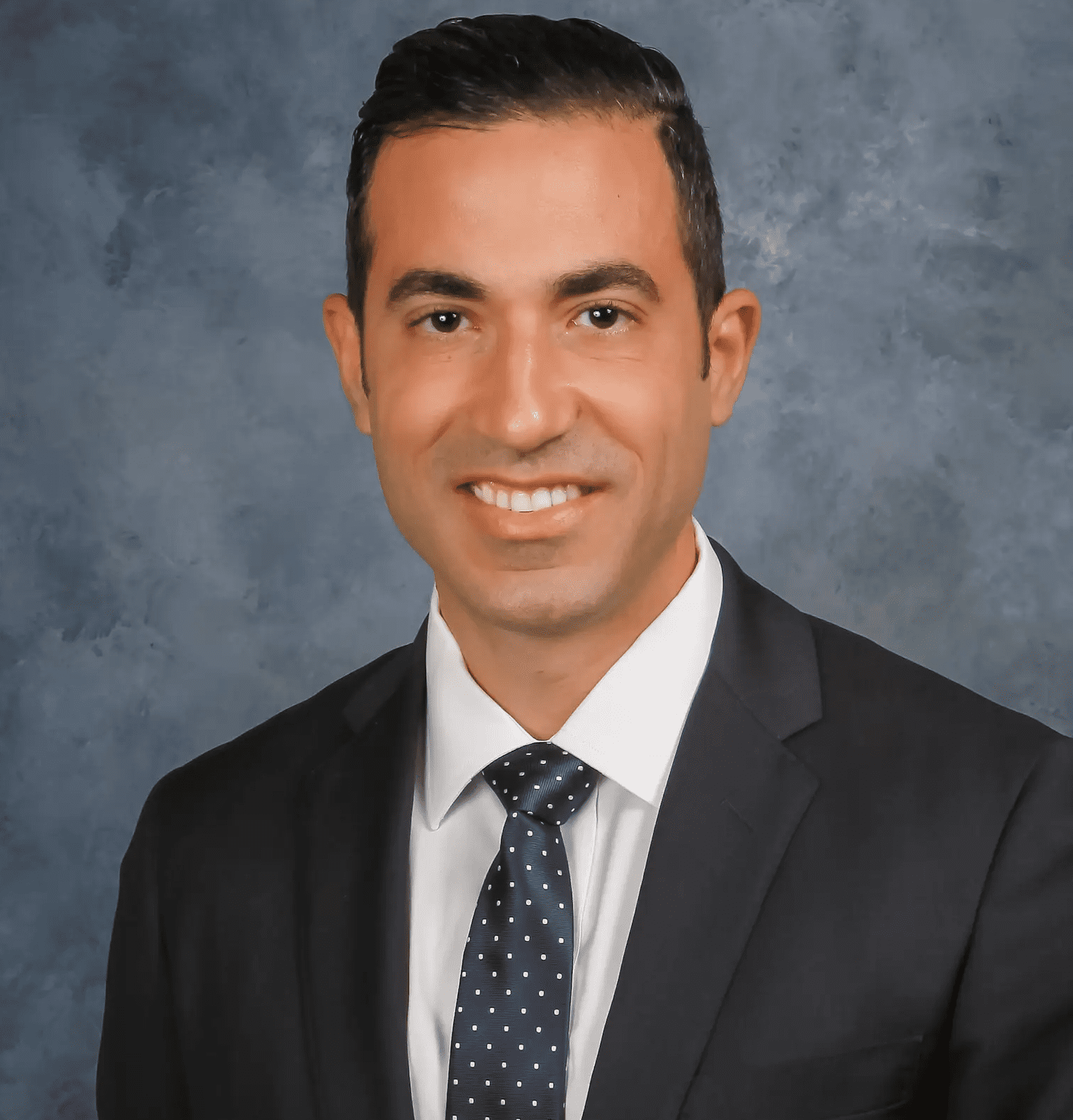
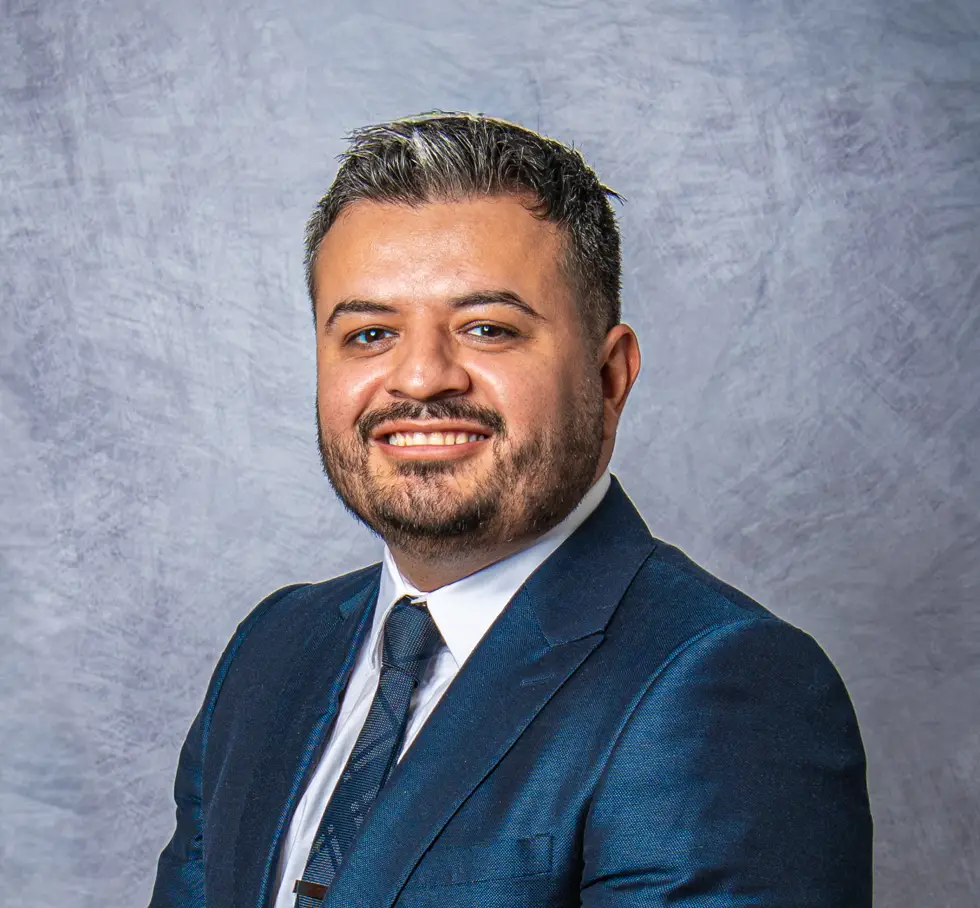
By Jose Antonio Acosta, MD | Pain Medicine Specialist
As a pain medicine specialist, I see how deeply low back and nerve-related pain can affect daily life. Conditions like sciatica, disc herniations, and facet joint pain can interfere with sleep, mobility, work, and overall quality of life. Many of my patients come in frustrated after trying multiple approaches without lasting relief.
My mission is to treat every patient as if they were my own family. That means combining compassionate care with evidence-based, minimally invasive treatments that restore function and improve quality of life. I believe in clear communication, shared decision-making, and building trust so patients understand their condition and their options.
In this article, I’ll explain several common causes of low back and nerve pain—and how treatments such as epidural steroid injections, nerve blocks, and radiofrequency ablation can play a role when appropriate.
Common Causes of Low Back and Nerve Pain
Low back pain is not a single diagnosis. It can come from different structures in and around the spine. Accurate diagnosis is the foundation of effective treatment.
Sciatica
Sciatica describes pain that radiates from the lower back into the buttock and down the leg, usually due to irritation or compression of a spinal nerve root. Patients often describe burning, shooting, or electric-like pain, sometimes with numbness or weakness.
Sciatica is a symptom pattern rather than a diagnosis itself. The most common underlying causes include disc herniation and spinal stenosis.
Herniated Discs
A herniated disc occurs when disc material extends beyond its normal boundary and irritates a nearby nerve. This can lead to back pain, leg pain, numbness, or weakness. Many disc herniations improve with time and non-surgical care, but some patients benefit from targeted interventional treatments to reduce inflammation and pain.
Facet Joint Syndrome
Facet joints are small joints in the spine that provide stability and guide motion. Like other joints, they can develop arthritis and inflammation. Facet-related pain is often felt in the low back and may worsen with extension or twisting. This type of pain is commonly called facet joint syndrome and responds well to specific diagnostic and therapeutic procedures.
How I Evaluate These Conditions
Evaluation begins with a detailed history and physical examination, followed when needed by imaging such as MRI or CT scans. Just as important is understanding how pain affects daily function, activity tolerance, and quality of life.
My approach is multidisciplinary and multimodal. Not every patient needs a procedure. Many benefit from a combination of:
- physical therapy
- medication management
- activity modification
- behavioral and psychological support
- image-guided interventional treatments
Advances in interventional pain care continue to be studied in peer-reviewed journals such as Pain Medicine and Regional Anesthesia & Pain Medicine.
Advanced Non-Surgical Treatment Options
When conservative care alone is not enough, minimally invasive interventional procedures can often help reduce pain and improve function.
Epidural Steroid Injections
Epidural steroid injections deliver anti-inflammatory medication near irritated spinal nerves. These injections are commonly used for sciatica and nerve pain related to disc herniation or spinal stenosis. The goal is to reduce inflammation and create a window for healing and rehabilitation.
Nerve Blocks
Peripheral or spinal nerve blocks involve placing medication near a specific nerve to diagnose or treat pain. Diagnostic blocks can help confirm the true source of pain, while therapeutic blocks can provide meaningful relief in selected patients.
Radiofrequency Ablation (Nerve Ablation)
Radiofrequency ablation uses controlled heat to interrupt pain signals from specific nerves—most commonly those supplying the facet joints. For patients with confirmed facet-mediated pain, this treatment can provide longer-lasting relief than injections alone.
Neuromodulation and Advanced Techniques
For certain chronic pain conditions, neuromodulation techniques such as spinal cord stimulation or peripheral nerve stimulation may be considered. These therapies use targeted electrical signals to modify pain signaling pathways and are reserved for carefully selected cases.
Treatment Philosophy: Compassionate and Individualized
Chronic pain is complex and personal. I emphasize a collaborative, patient-centered approach that blends science, technology, and compassion. My goal is not only to reduce pain but to restore function and help patients return to the activities they value most.
I coordinate closely with therapists, referring physicians, and multidisciplinary teams to ensure care is efficient, evidence-based, and aligned with each patient’s goals.
Frequently Asked Questions
Are injections just temporary fixes?
Injections are not meant to be stand-alone cures. They are tools that can reduce inflammation and pain, allowing patients to participate more effectively in rehabilitation and recovery.
Is radiofrequency ablation permanent?
Relief from radiofrequency ablation can last many months or longer, but nerves can regenerate over time. The procedure can be repeated when appropriate.
Do all patients with sciatica need injections?
No. Many patients improve with conservative care alone. Interventional treatments are considered when symptoms persist or significantly limit function.
Sciatica, disc herniations, and facet joint pain are common but treatable causes of low back and nerve pain. With accurate diagnosis and a thoughtful, individualized treatment plan, many patients can achieve meaningful relief without surgery.
If you are struggling with persistent back or nerve pain, I encourage you to learn more about my background and approach to care and discuss your options during a personalized consultation.
Meet Dr. Jose Antonio Acosta
About Dr. Jose Antonio Acosta
Dr. Jose Antonio Acosta is a board-certified pain medicine specialist with more than a decade of experience in interventional pain care. Trained at UC Davis, Highland Hospital, Stanford, Cedars-Sinai, and USC, he specializes in minimally invasive treatments including epidural steroid injections, nerve blocks, radiofrequency ablation, and neuromodulation.
He proudly serves patients in Tarzana, Valencia, Encino, and Glendale and is committed to compassionate, evidence-based, patient-centered care.
Sources & Further Reading
- Pain Medicine — https://academic.oup.com/painmedicine
- Regional Anesthesia & Pain Medicine — https://rapm.bmj.com
- The Clinical Journal of Pain — https://journals.lww.com/clinicalpain