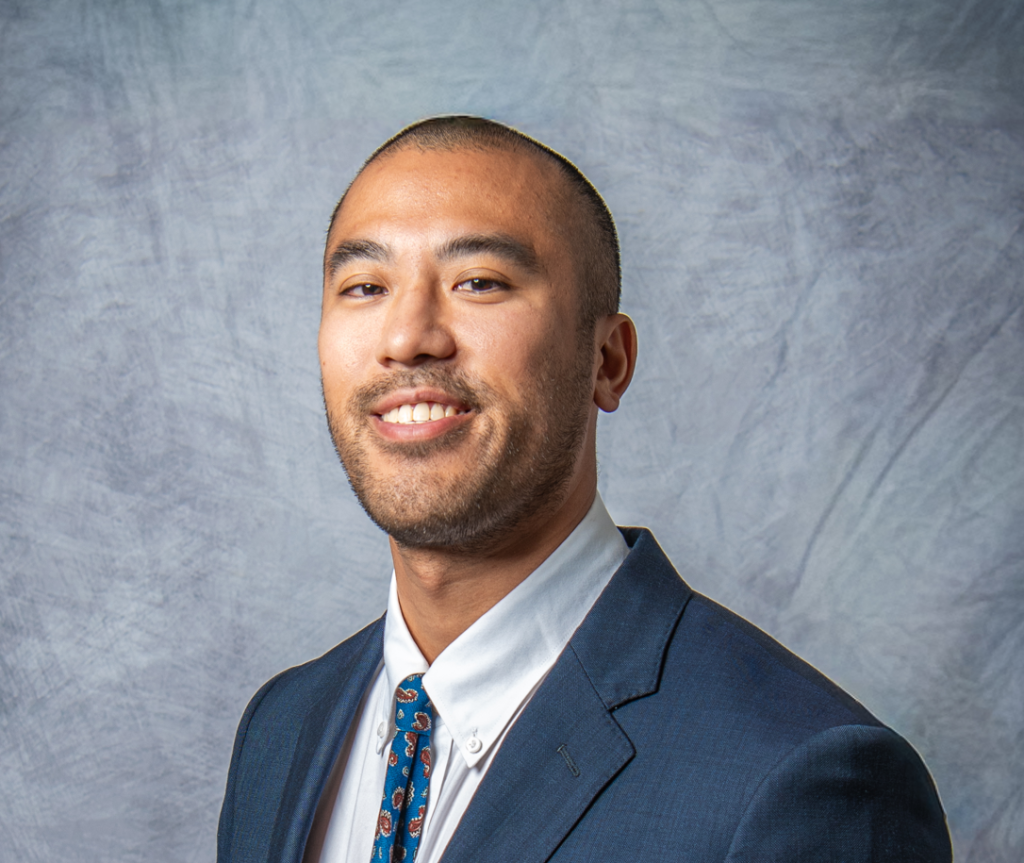
By Jayson Lian, MD | Orthopedic Sports Medicine Surgeon in Los Angeles
As an orthopedic sports medicine surgeon, I work with patients of all activity levels—from competitive athletes to people who simply want to stay active without pain. Sports and activity-related injuries can affect anyone, and when they do, they often impact daily movement, performance, and quality of life.
In my practice at Los Angeles Orthopedic Surgery Specialists, I focus on collaborative, patient-centered care that’s tailored to each individual’s lifestyle and goals. Clear communication and shared decision-making are essential. My role is to help patients understand their injury, explore all appropriate treatment options, and move forward with a plan that supports both recovery and long-term joint health.
Below, I’ll walk through some of the most common knee, shoulder, and hip injuries I treat, along with how they’re typically evaluated and managed.
Common Knee Injuries
The knee is one of the most frequently injured joints, particularly during sports that involve cutting, pivoting, or sudden changes in direction.
ACL Tears
Anterior cruciate ligament (ACL) injuries are common in sports such as soccer, basketball, and skiing. Patients often describe a popping sensation, followed by swelling and instability. While some individuals can manage ACL injuries non-operatively, others—especially those who wish to return to high-demand activities—may benefit from surgical reconstruction. Treatment decisions depend on activity level, knee stability, and long-term goals.
Meniscus Tears
The meniscus acts as a shock absorber within the knee. Tears can occur from acute injury or gradual degeneration. Symptoms may include pain, swelling, clicking, or a feeling that the knee is catching or locking. Depending on the type of tear and the patient’s needs, treatment may range from physical therapy to surgical repair or preservation techniques aimed at protecting long-term joint health.
Common Shoulder Injuries
Shoulder injuries can be especially limiting, as the shoulder plays a major role in nearly all upper-body movement.
Rotator Cuff Tears
The rotator cuff is a group of muscles and tendons that stabilize the shoulder and allow for overhead motion. Tears can result from acute injury or gradual wear over time. Patients may experience weakness, pain with lifting, or difficulty sleeping on the affected side. Treatment may include physical therapy, injections, or arthroscopic surgery, depending on the severity of the tear and functional demands.
Labral Tears and Shoulder Instability
The labrum helps stabilize the shoulder joint. Labral tears and shoulder dislocations are common in contact sports and overhead athletes. Recurrent instability can make the shoulder feel unreliable or prone to repeated dislocations. In these cases, arthroscopic shoulder stabilization may be considered to restore stability and prevent further injury.
Common Hip Injuries
Hip pain is increasingly recognized in active individuals, particularly younger patients.
Hip Impingement (FAI) and Labral Tears
Femoroacetabular impingement (FAI) occurs when abnormal bone shape causes the hip joint to move improperly, leading to labral damage and cartilage wear over time. Patients often report groin pain, stiffness, or discomfort during prolonged sitting or athletic activity. Early evaluation is important, as addressing impingement and labral pathology can help preserve the hip joint and reduce the risk of arthritis.
Hip arthroscopy allows for minimally invasive treatment of labral tears and impingement in appropriately selected patients.
How These Injuries Are Evaluated
Accurate diagnosis is critical. Evaluation typically includes a detailed history, physical examination, and imaging such as X-rays or MRI. I also take time to understand each patient’s activity level, goals, and expectations. Not every injury requires surgery, and many conditions can be managed effectively with non-operative care.
Advances in orthopedic sports medicine continue to be studied and refined in peer-reviewed research published in journals such as The American Journal of Sports Medicine and Arthroscopy.
Treatment Philosophy: Individualized and Collaborative
There is no one-size-fits-all approach to orthopedic injuries. My treatment philosophy emphasizes:
- Clear communication and patient education
- Shared decision-making
- Coordination with physical therapists and athletic trainers
- A focus on long-term joint health, not just short-term symptom relief
Whether treatment is non-operative or surgical, the goal is always a safe, effective return to activity and function.
Frequently Asked Questions
Do all sports injuries require surgery?
No. Many knee, shoulder, and hip injuries can be treated successfully with non-operative care such as physical therapy, activity modification, or injections. Surgery is considered when symptoms persist or when stability and function cannot be restored conservatively.
How long is recovery from sports injury surgery?
Recovery time varies depending on the injury and procedure. Some patients return to activity within a few months, while others—such as those recovering from ACL reconstruction—may require a longer rehabilitation period.
Can older adults have sports-related injuries?
Absolutely. Sports and activity-related injuries affect patients of all ages. Treatment decisions are based on overall health, goals, and functional needs rather than age alone.
Knee, shoulder, and hip injuries can significantly affect movement and quality of life, but with proper evaluation and individualized care, many patients are able to return to the activities they enjoy. Early diagnosis, clear communication, and a thoughtful treatment plan are key.
If you’re experiencing joint pain or instability, I encourage you to learn more about my background and approach to care and to discuss your options during a personalized consultation.
Meet Dr. Jayson Lian
About Dr. Jayson Lian
Dr. Jayson Lian is an orthopedic sports medicine surgeon with Los Angeles Orthopedic Surgery Specialists (LAOSS). He specializes in the treatment of shoulder, elbow, hip, knee, and ankle injuries, with particular expertise in arthroscopic rotator cuff repair, shoulder stabilization, ACL and multi-ligament knee reconstruction, meniscus and cartilage preservation, and hip arthroscopy.
Dr. Lian believes in collaborative, patient-centered care tailored to each patient’s lifestyle and goals. He works closely with physical therapists and athletic trainers to support a seamless and effective recovery.
Sources & Further Reading
- The American Journal of Sports Medicine – https://journals.sagepub.com/home/ajs
- Arthroscopy: The Journal of Arthroscopic & Related Surgery – https://www.arthroscopyjournal.org
- Journal of Shoulder and Elbow Surgery – https://www.journals.elsevier.com/journal-of-shoulder-and-elbow-surgery